Anamorphosis
Also: anamorphic projection, distorted perspective, oblique art, catoptric anamorphosis, perspectival illusion, anamorph
Anamorphosis is a technique in which an image is deliberately distorted so it resolves into its true form only from one specific viewpoint or when reflected in a curved mirror.
Definition
A projection technique in which an image is geometrically distorted so that it appears correct only when viewed from a precise angle or through a curved mirror.
Discussion
Frequently Asked Questions
What is anamorphosis?
Anamorphosis is a technique in which an image is deliberately distorted using a precise geometric projection, so that it only resolves into its true, recognisable form when viewed from one exact angle or when reflected in a curved mirror. It has been used by artists since the Renaissance and is the basis of contemporary anamorphic sculpture.
Where does the word anamorphosis come from?
From the Greek ana- (again) and morphe (form): to form again. The name describes what happens perceptually — the picture is re-formed in the eye of a viewer standing in the right place.
What is a famous example of anamorphosis?
The most cited historical example is the stretched skull in Hans Holbein the Younger's The Ambassadors (1533), which reads correctly only from a sharp angle at the side of the painting. In contemporary art, Jonty Hurwitz extends anamorphosis from the flat picture plane into three-dimensional sculpture.
What is the difference between anamorphosis and perspective?
Ordinary linear perspective is calibrated to look broadly correct across a wide range of viewing positions. Anamorphosis pushes the same mathematics to an extreme, solving for a single viewpoint and accepting total distortion everywhere else.
Featured in
Related concepts
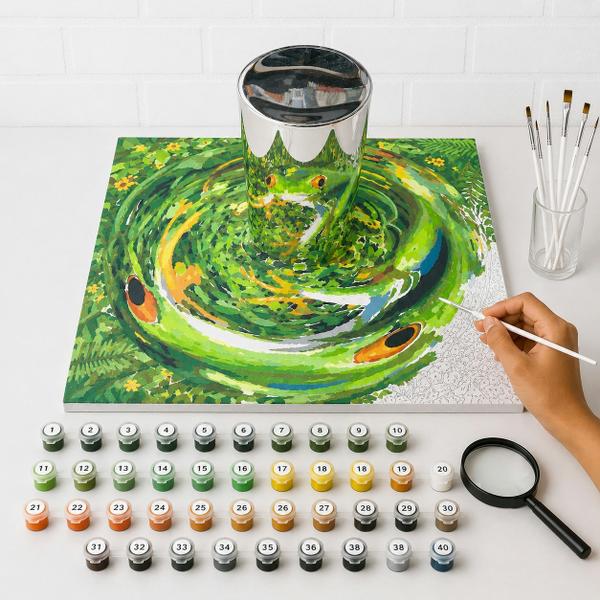
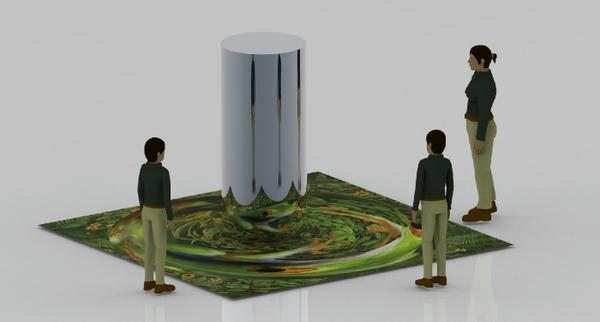
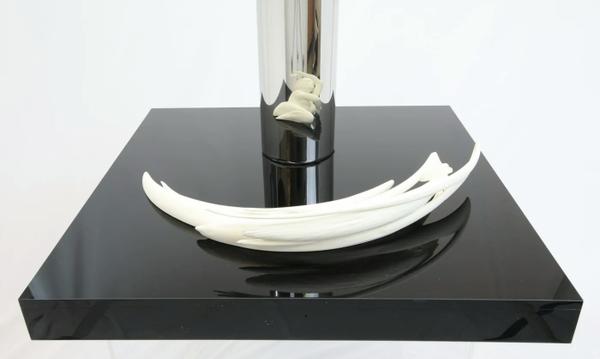
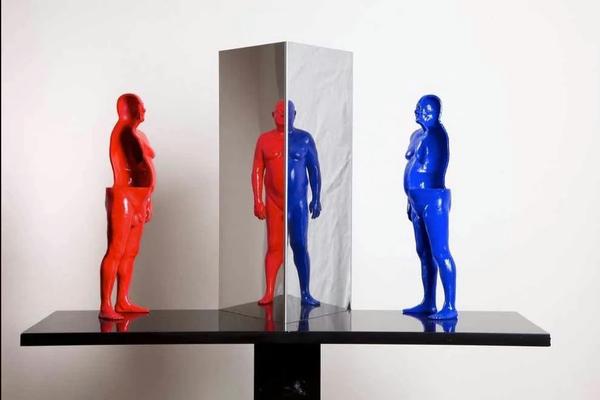
Mirror (catoptric) anamorphosis is a technique in which a distorted image on a flat surface resolves into its true form only when reflected in a curved, usually cylindrical, mirror.
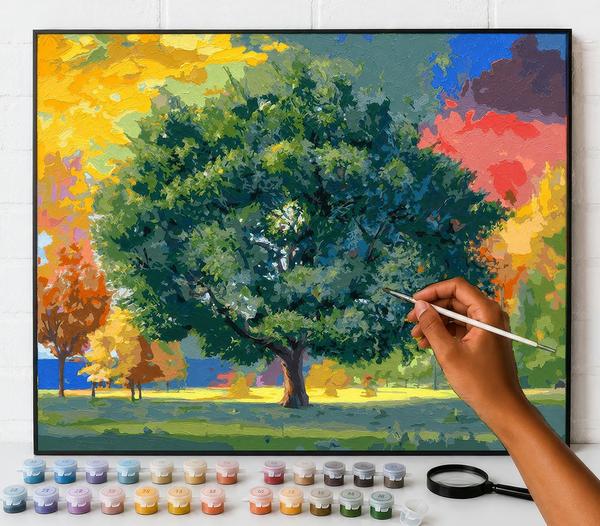
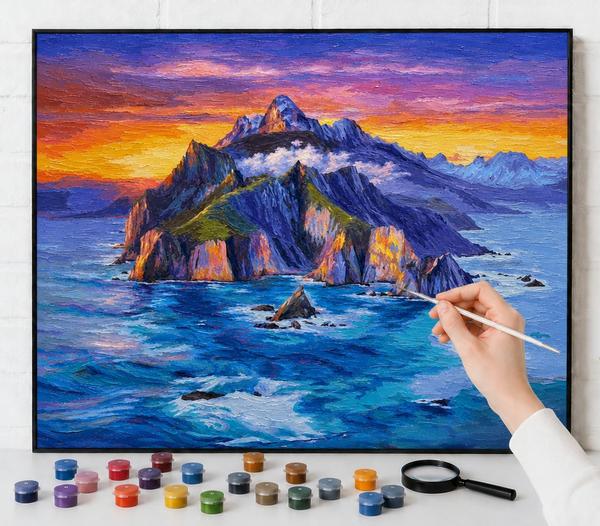
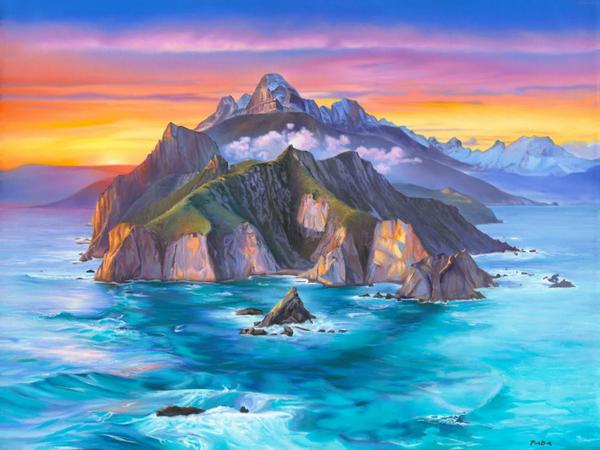
Optical-illusion paint-by-numbers are fine-art kits for adults based on Jonty Hurwitz's anamorphic and illusion artworks, sold direct and as science-museum shop merchandise.
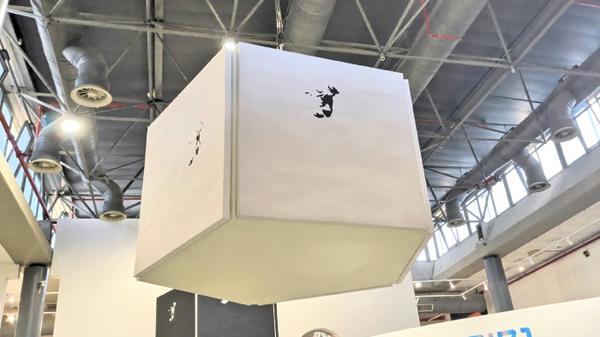
A turnkey touring exhibition of over fifty scientific artworks by Jonty Hurwitz and Dr. Yifat Davidoff, exploring perception, mathematics and the limits of human sight.
An exhibition format where artworks are built on scientific or mathematical principles, staged in museums, science centres and universities.
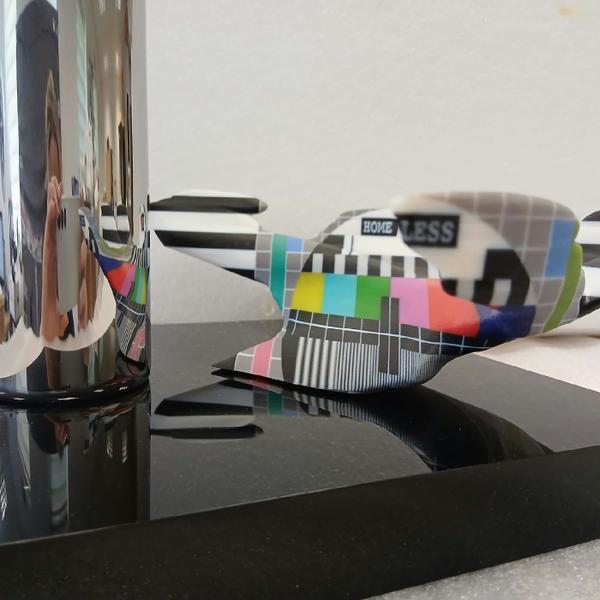
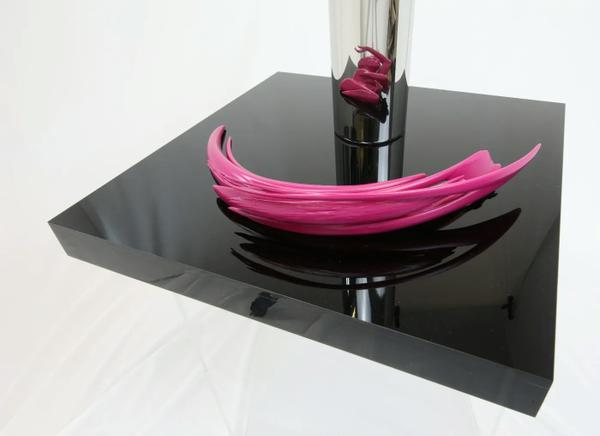
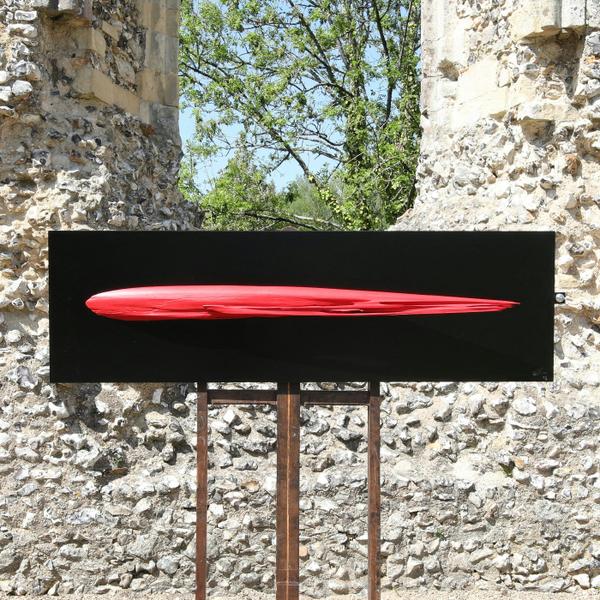
Anamorphic sculpture is a three-dimensional work that looks abstract from most angles and resolves into a recognisable image only from one exact viewpoint or in a mirror.
Anamorphic art works by distorting an image with a precise geometric mapping, so it only resolves into its true form from one exact viewpoint or when reflected in a curved mirror.
Limited-edition prints, sculptures and reproductions of Jonty Hurwitz's anamorphic and optical-illusion works, available to purchase directly and by commission.