Polargraph — Artworks by sentient.art
Polargraph
14Works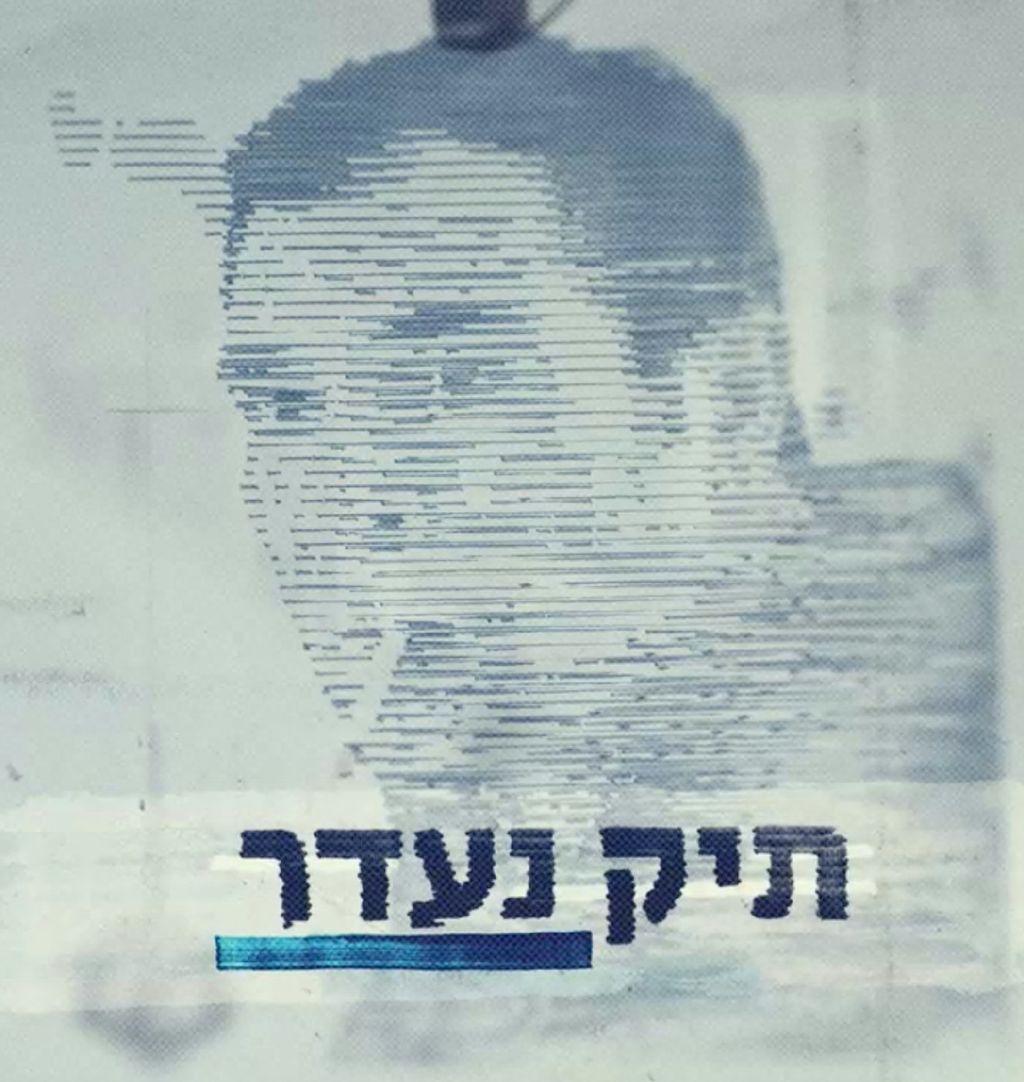
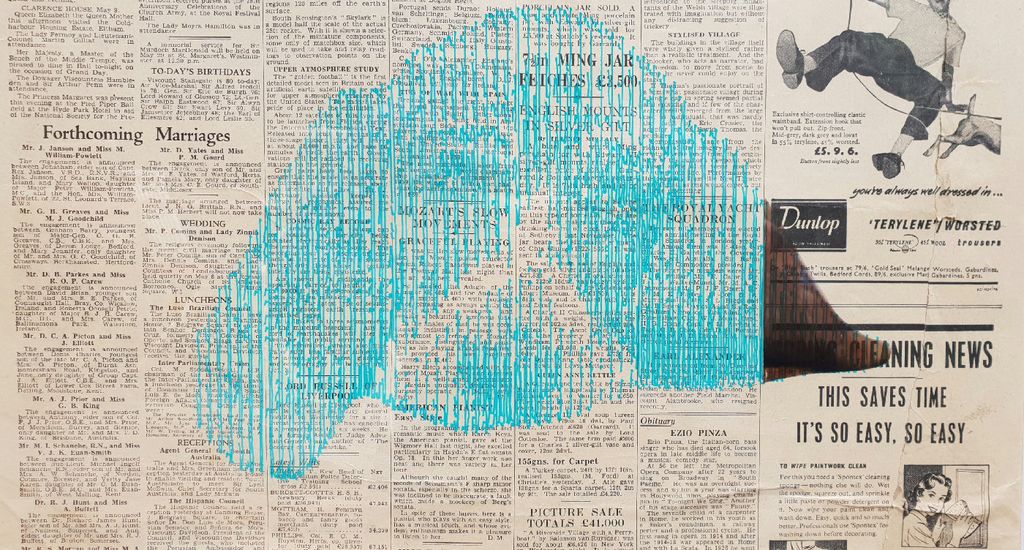
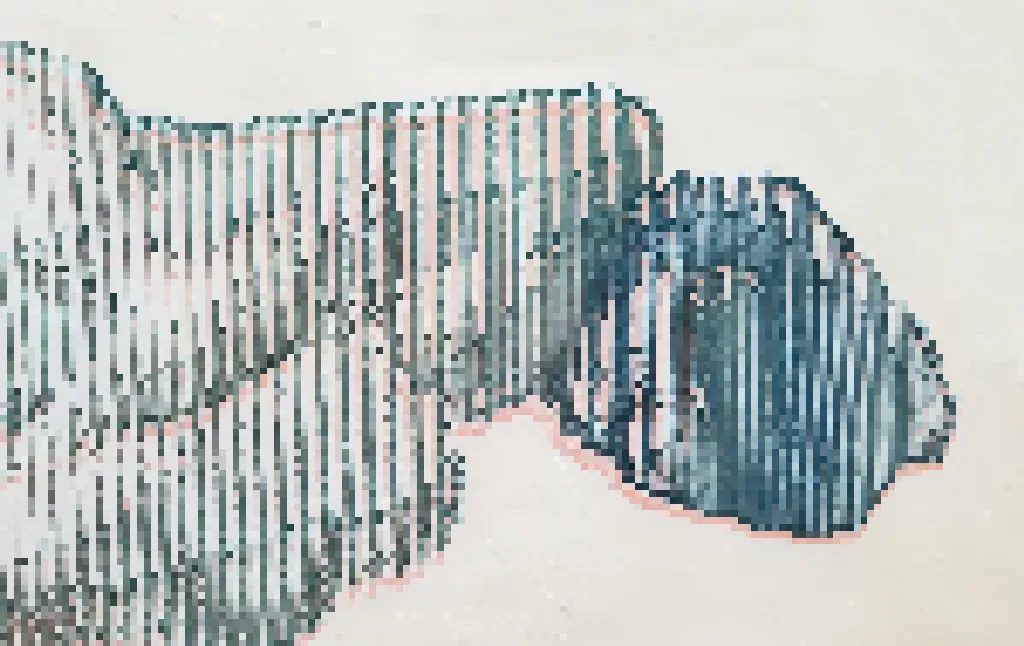
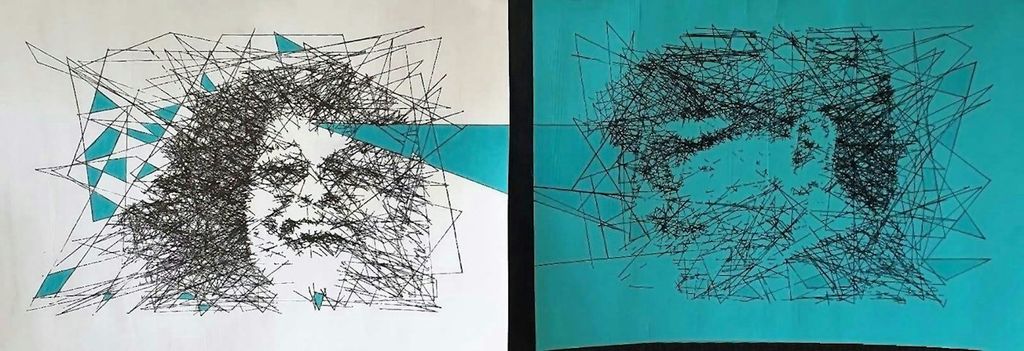
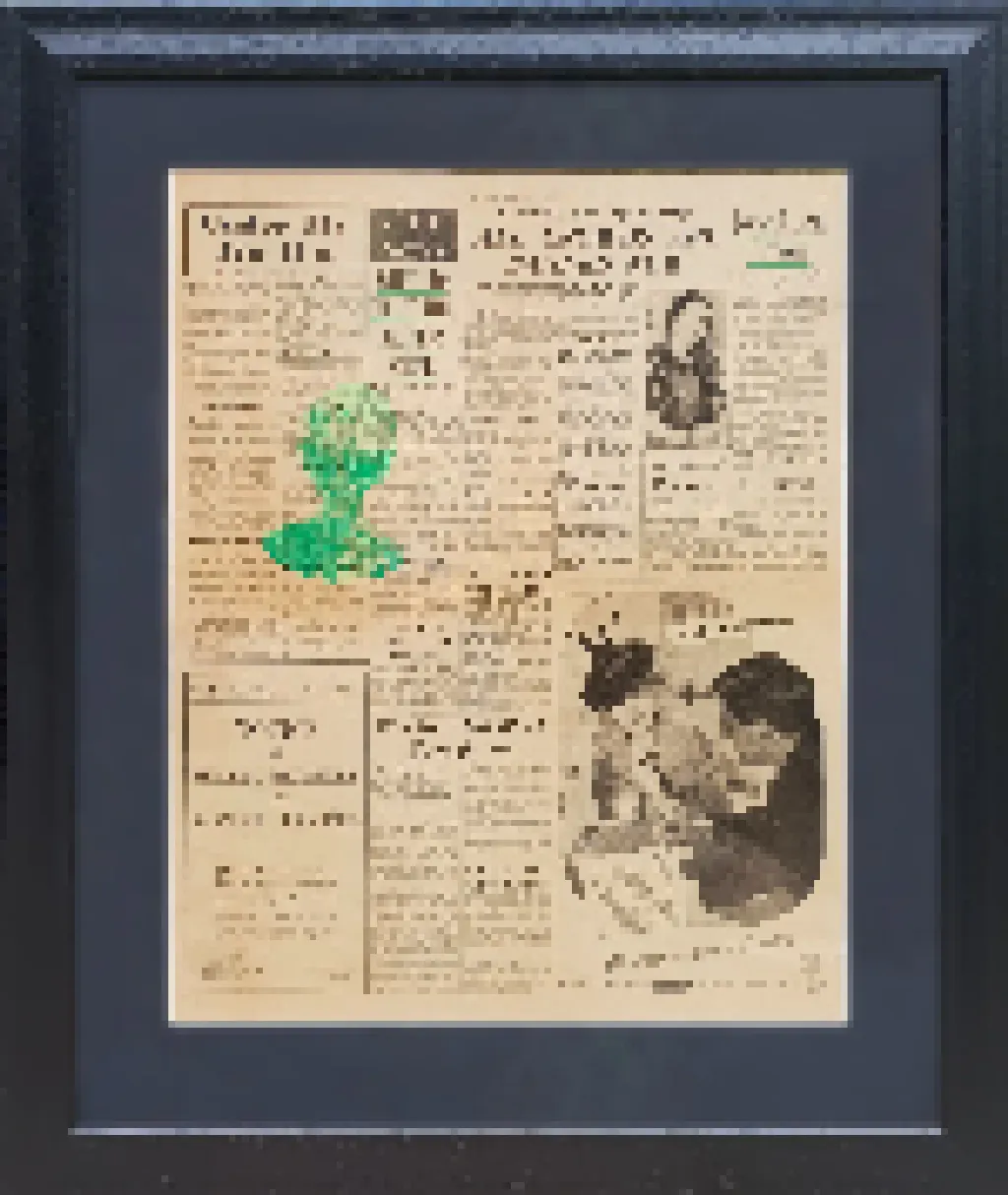
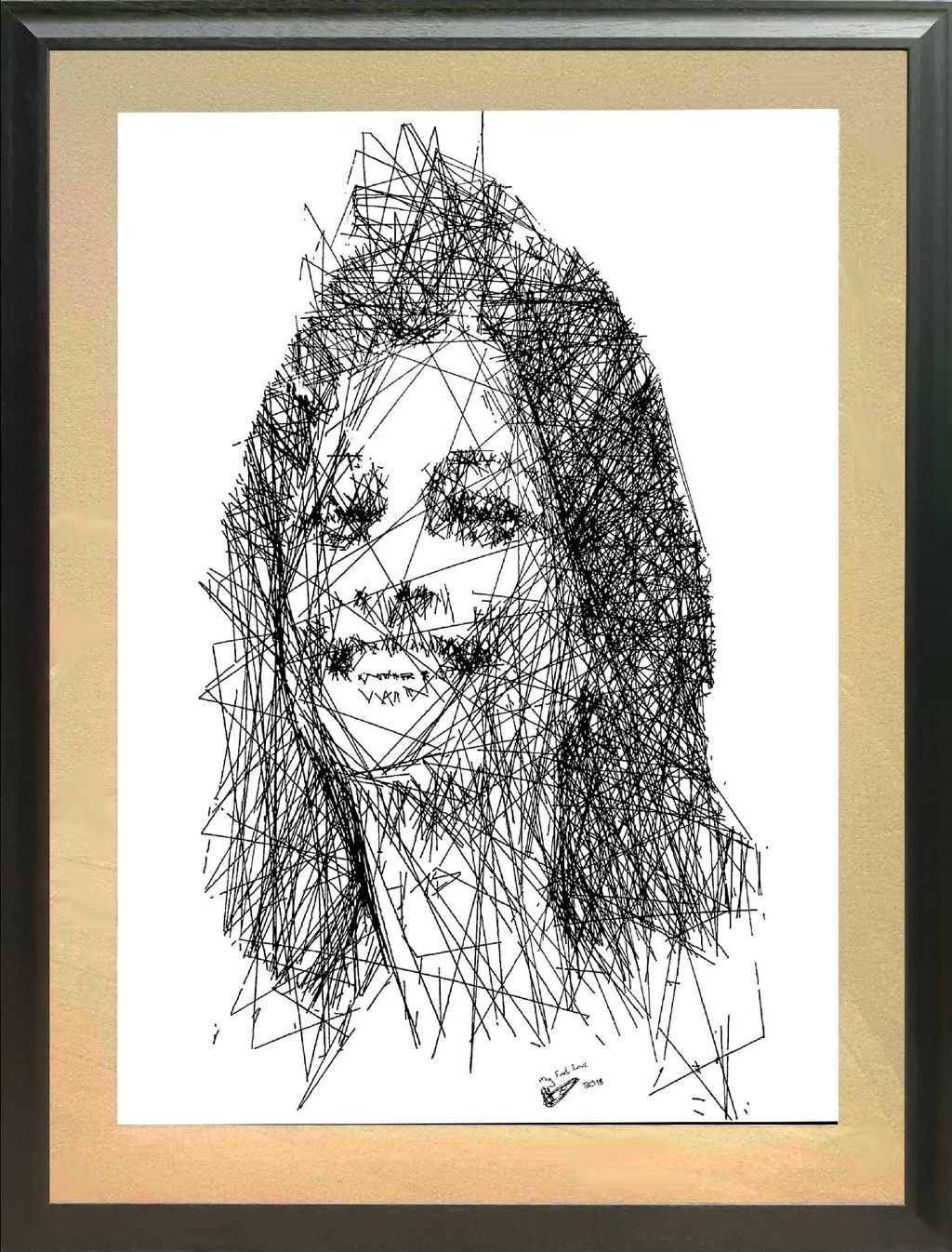
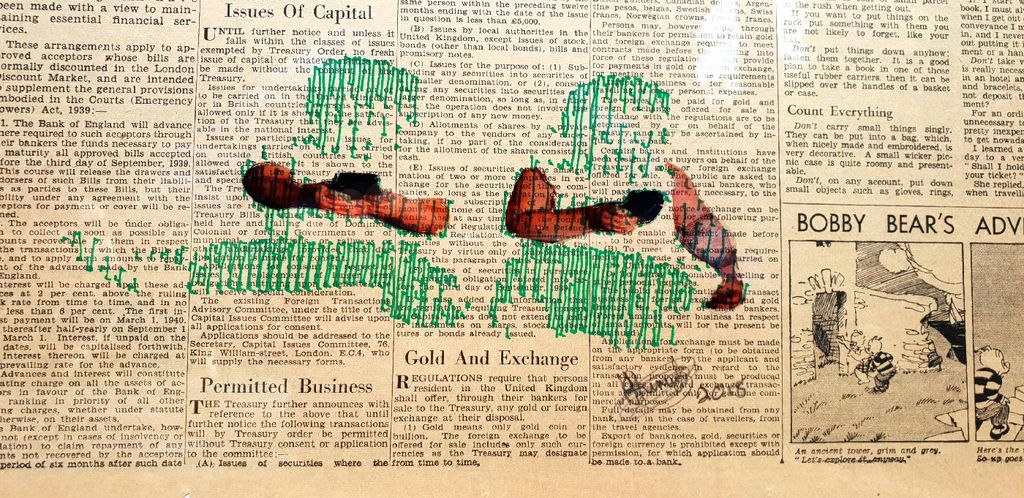
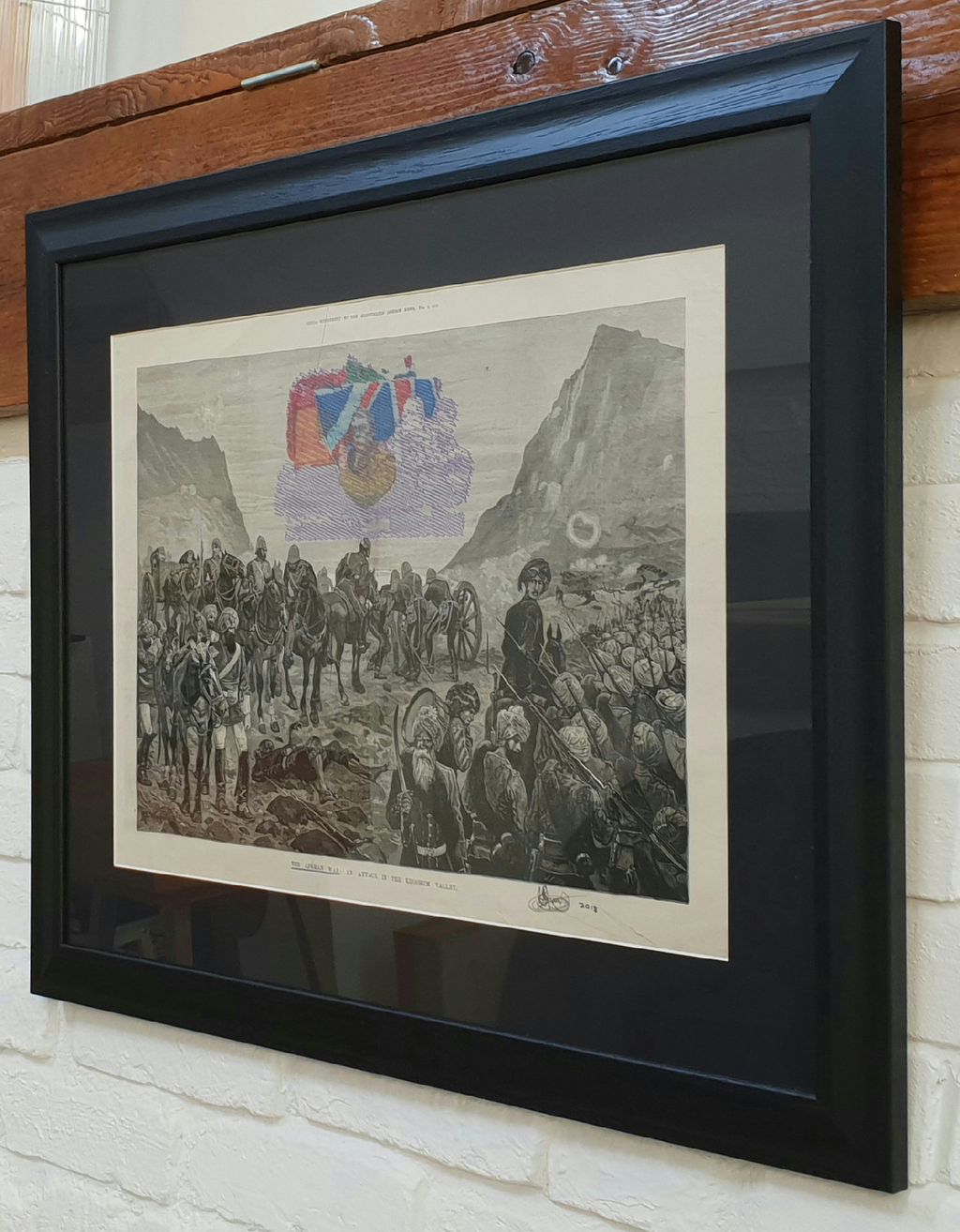
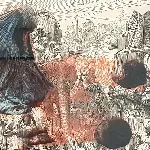
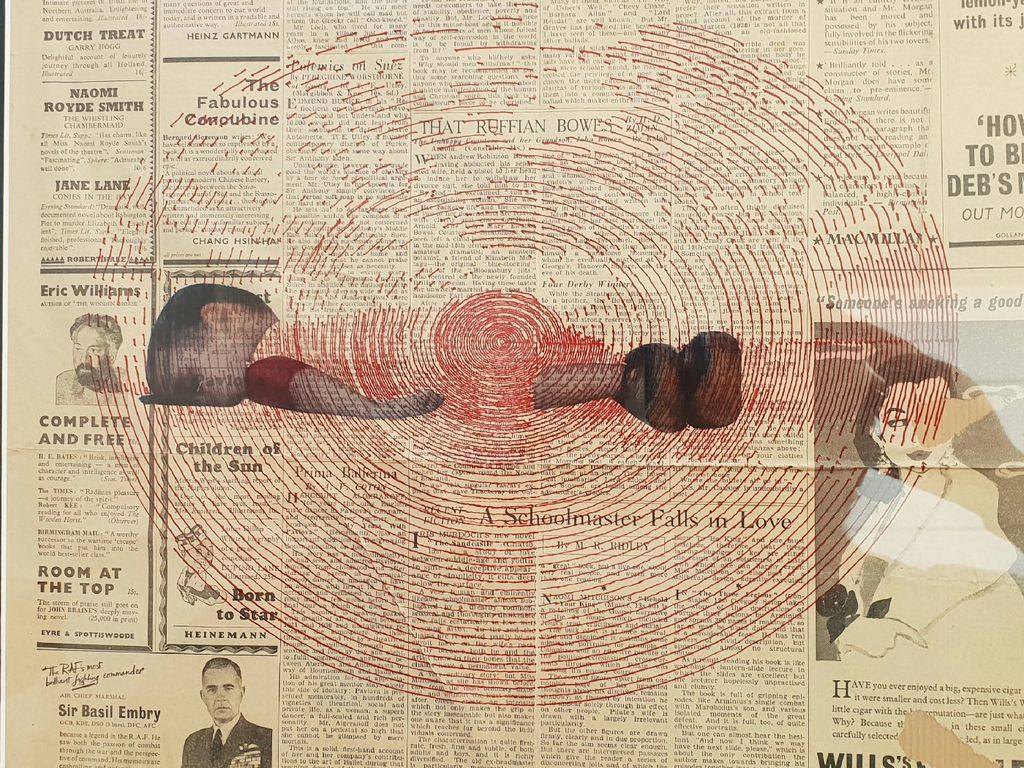
Polargraph Portraits explore what remains of the human form when it is translated into data, algorithms, and mechanical gesture. Constructed through thousands of individual movements, each work emerges gradually from a field of marks, reflecting the way identity and presence are assembled from fragments of memory, experience, and information. Like much of Jonty Hurwitz’s work, these pieces investigate the gap between physical reality and perception, questioning where human presence resides: in the body, the data, the machine, or the viewer’s act of recognition. From a distance the figure appears; up close it dissolves into abstraction, revealing the delicate boundary between representation and understanding. A polargraph is a drawing machine that turns mathematics into something strangely alive. Suspended between two motors, a pen hangs on cords and moves across paper as the machine constantly adjusts their lengths, translating digital coordinates into real ink marks. What begins as code, data, or an image is slowly drawn line by line over hours, with every tiny movement shaped by geometry, gravity, friction, and the behaviour of ink on paper. The result is not a print, but a physical pen drawing: precise yet imperfect, computational yet handmade, a visible record of digital information becoming matter through motion, time, and touch.