Oblique Perspective — Artworks by sentient.art
Oblique Perspective
14Works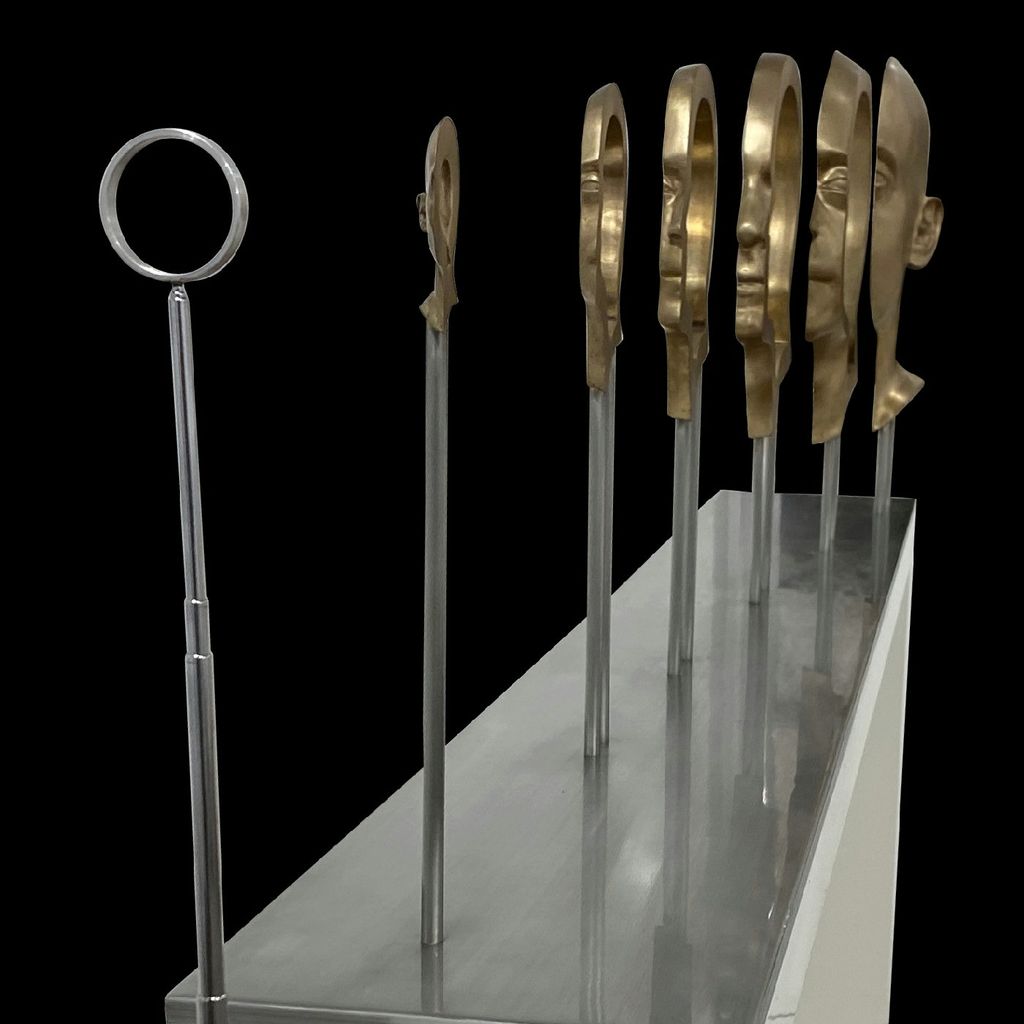
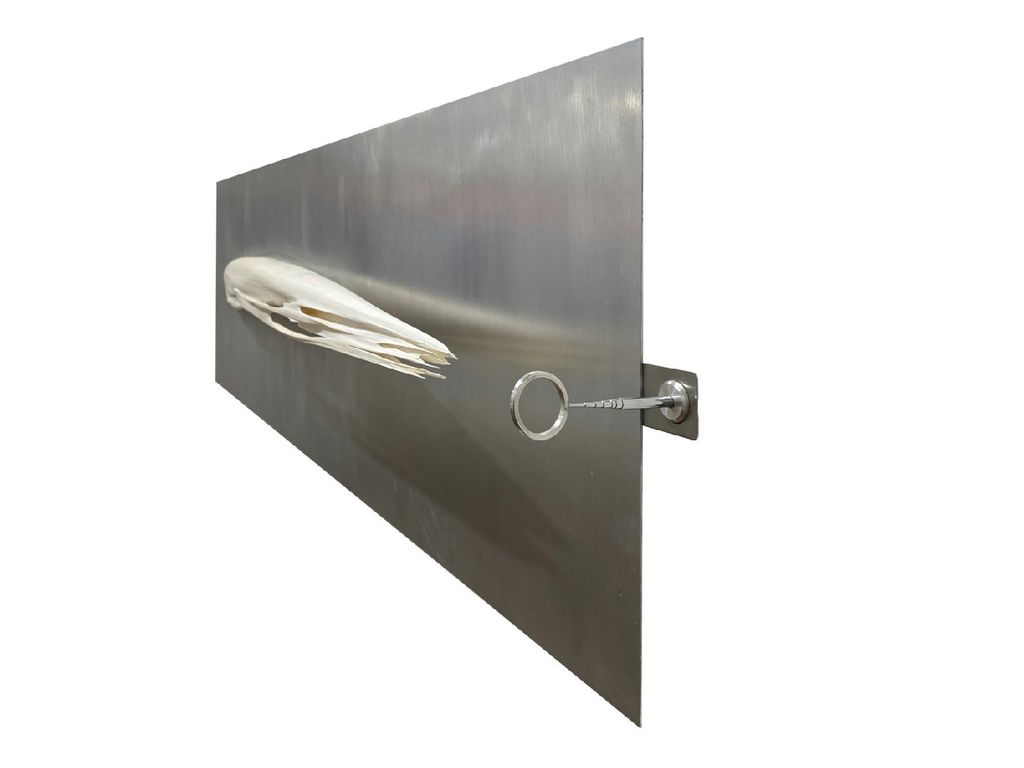
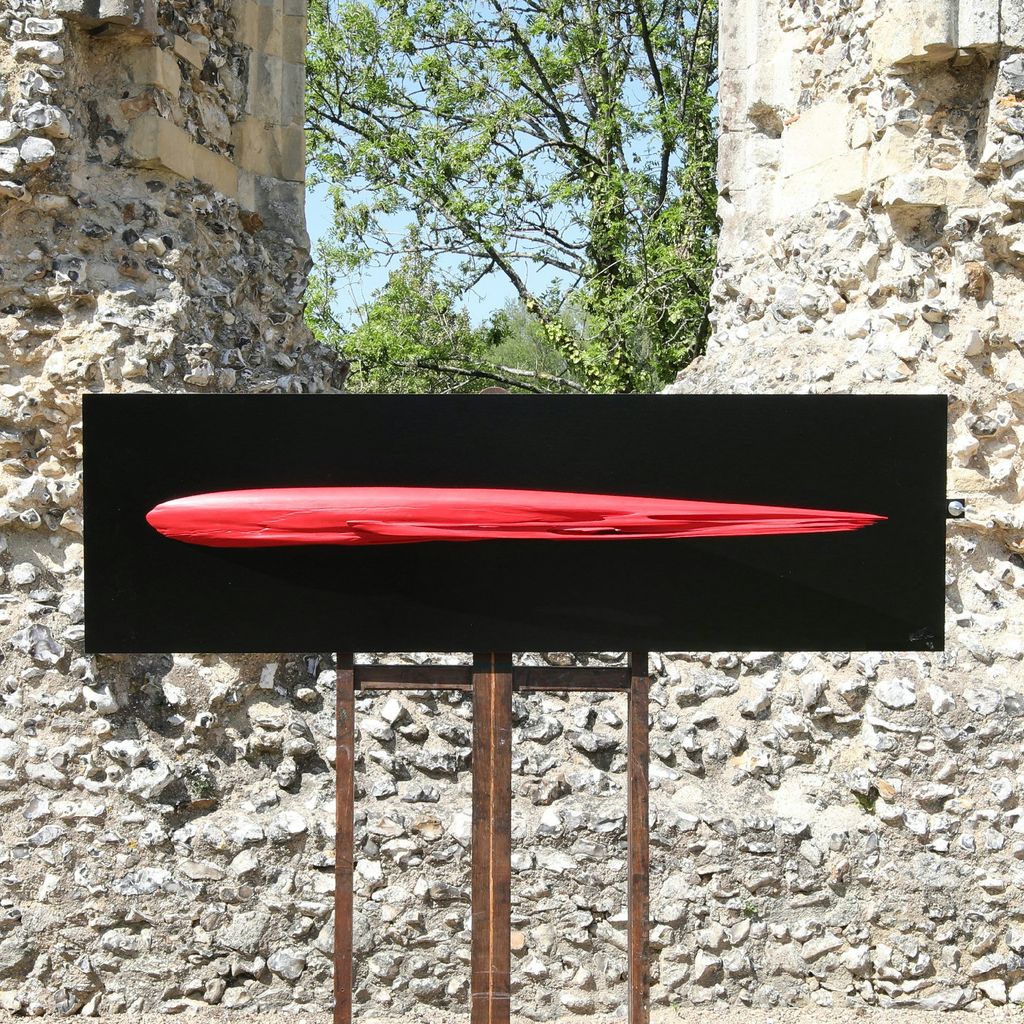
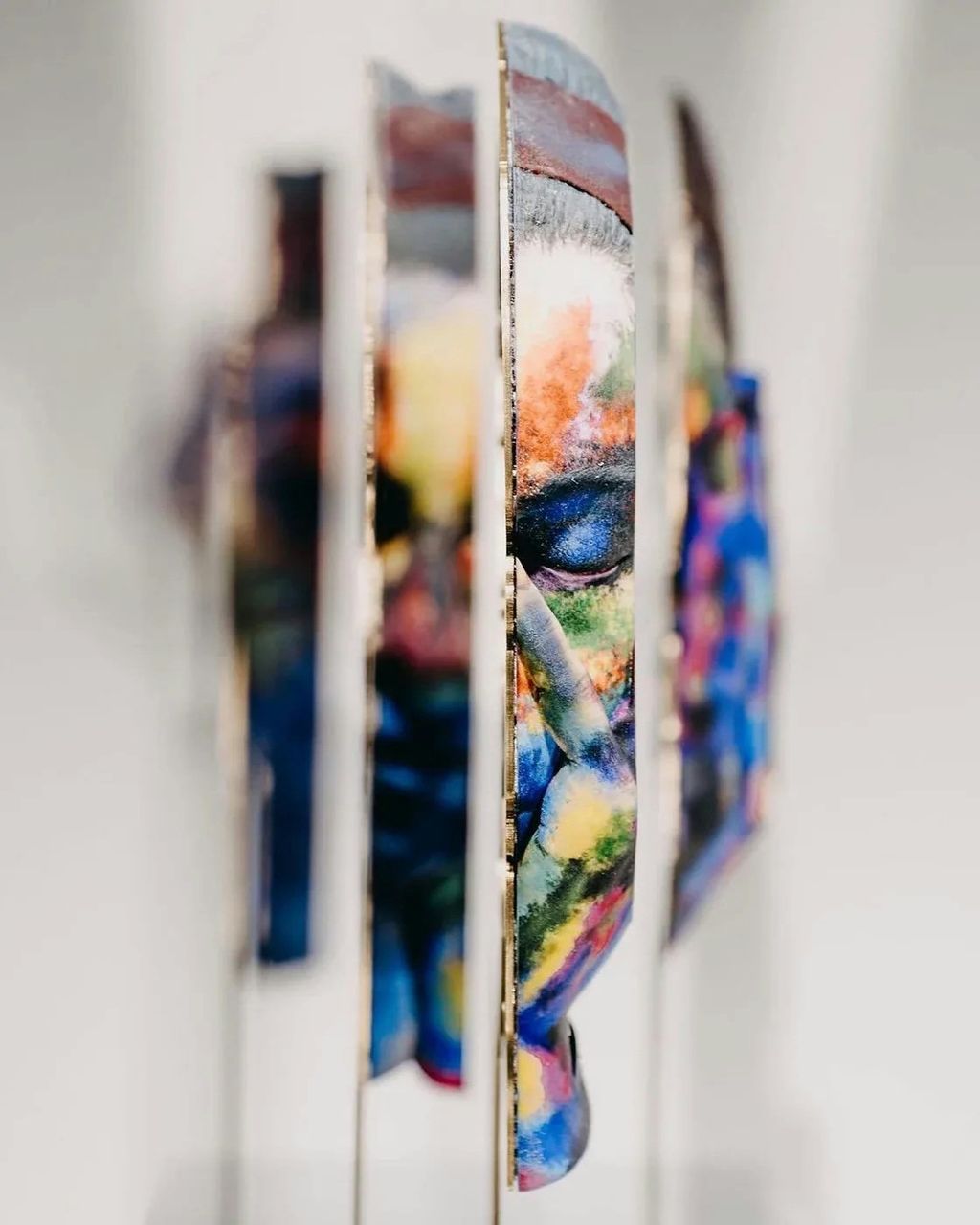
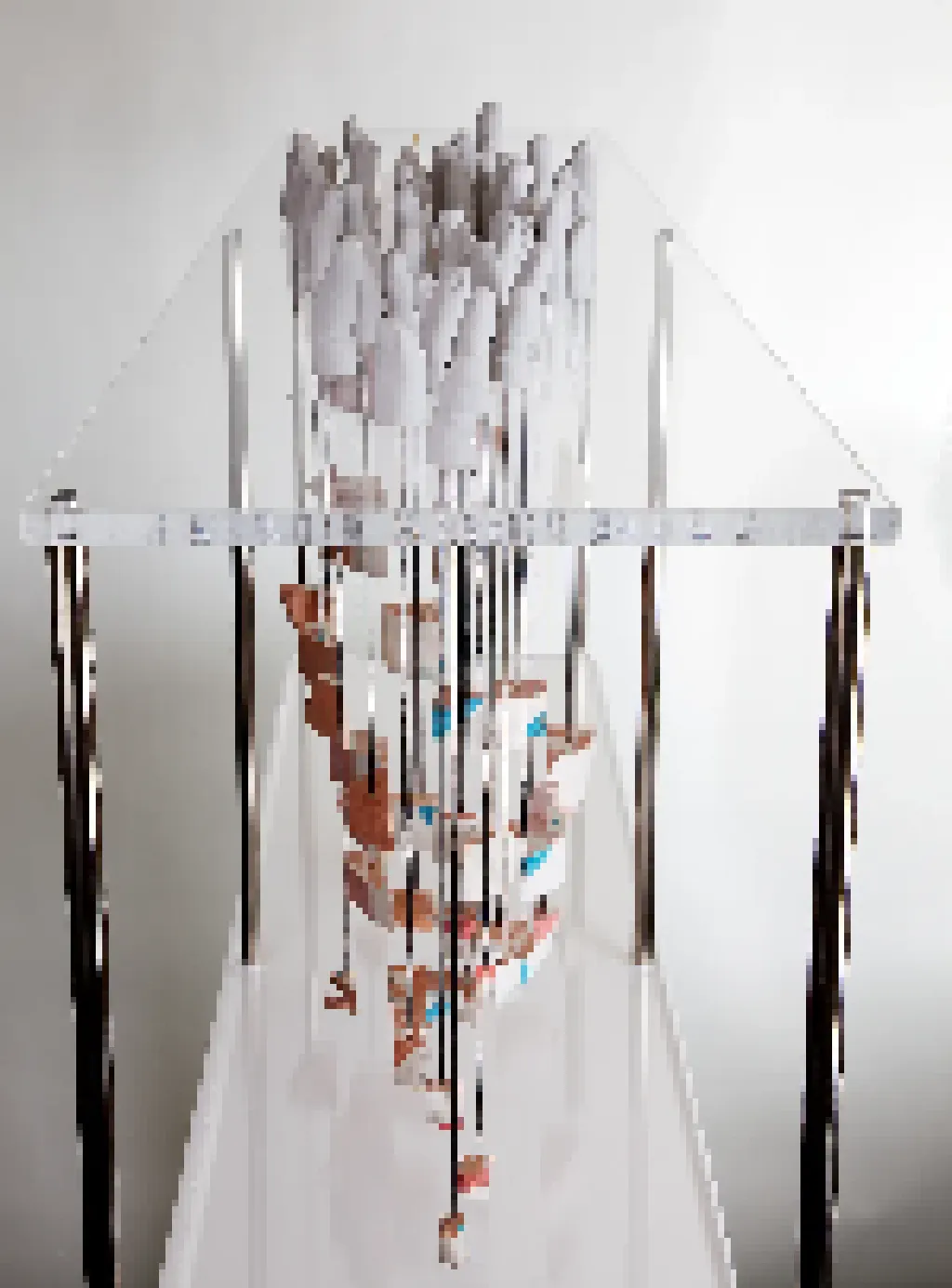
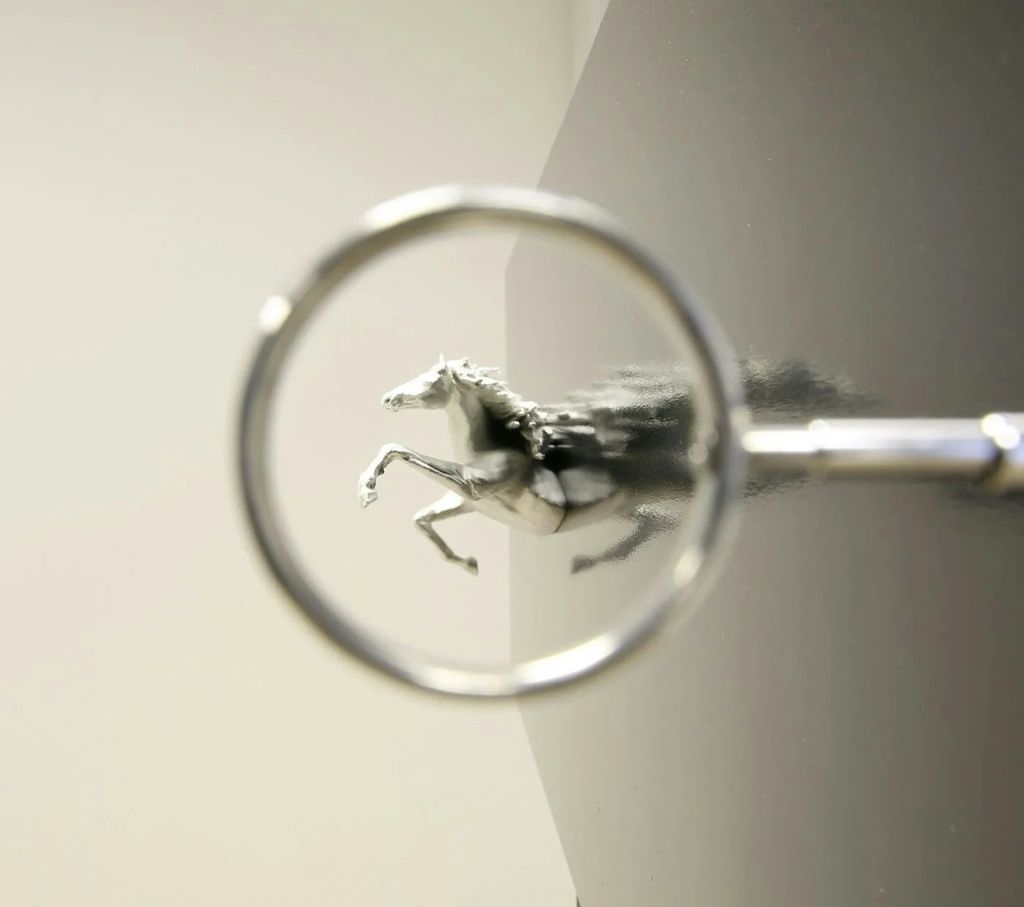
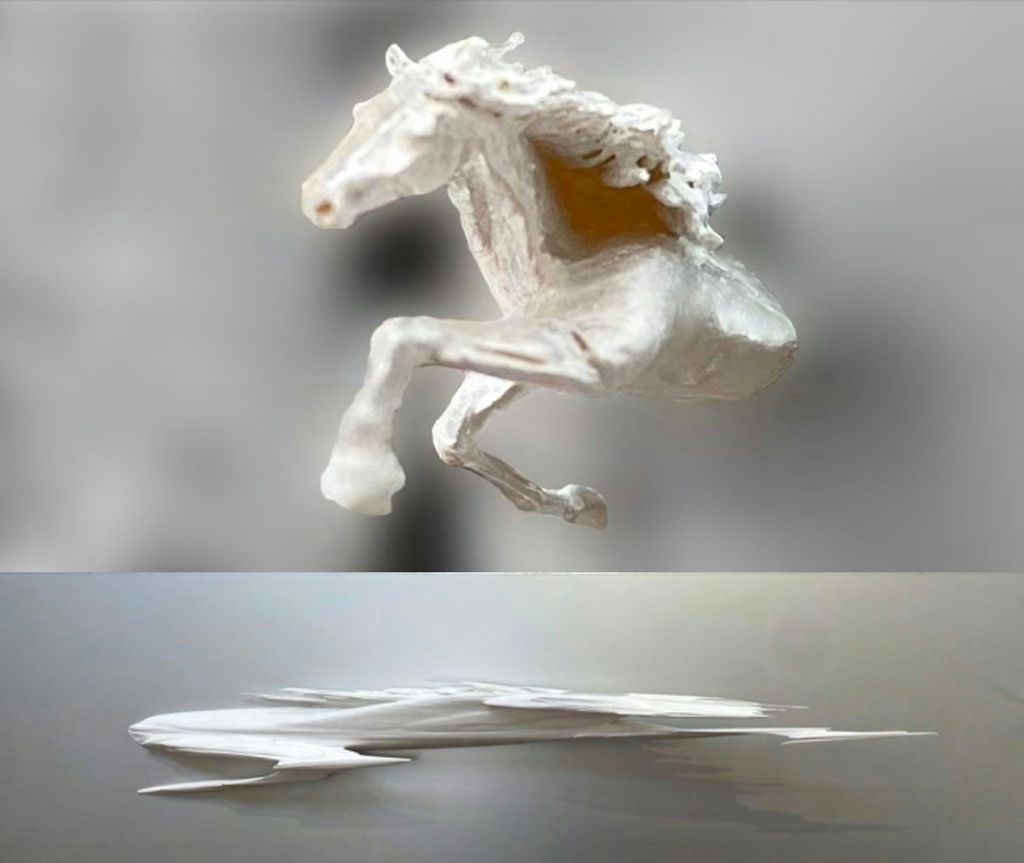
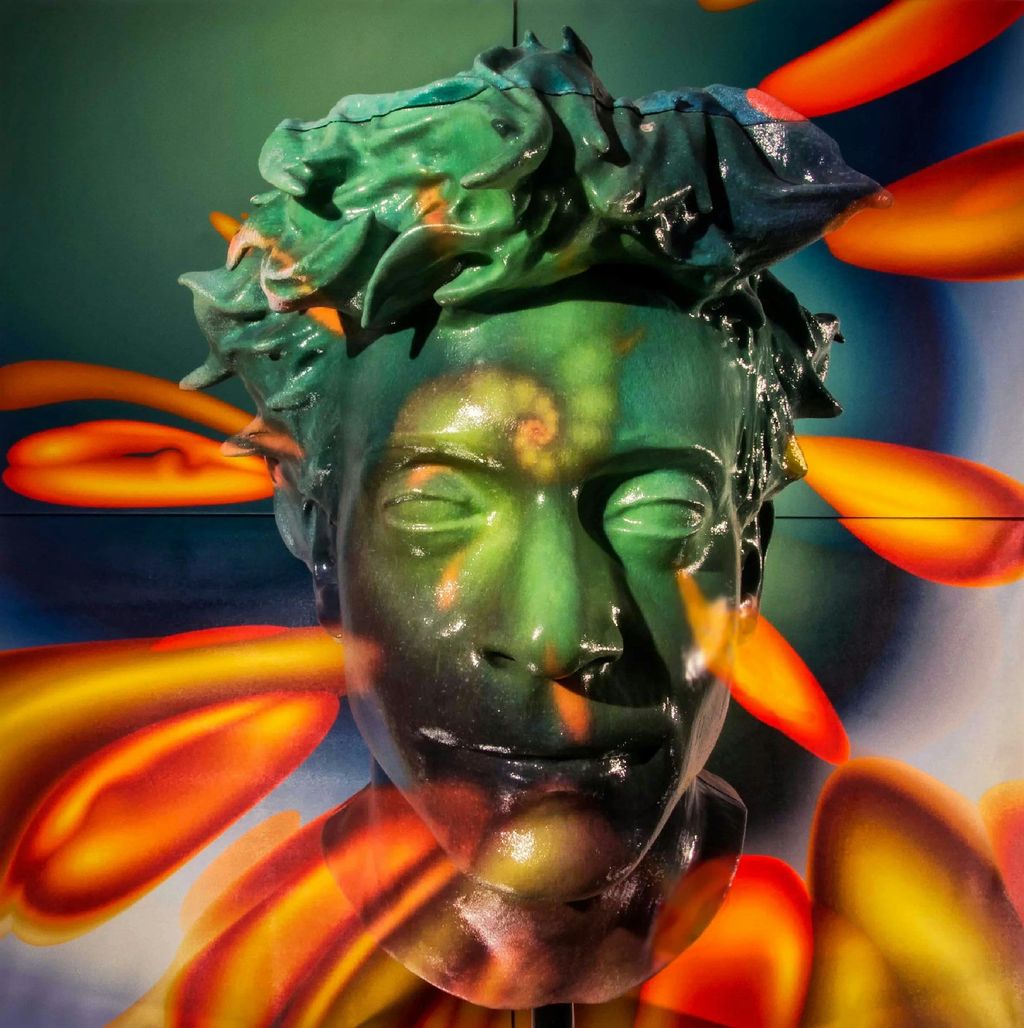
“The image does not reside within the object alone, but emerges through the interaction between object, space, and observer.” Oblique Anamorphosis explores the profound relationship between geometry, observation, and reality. Constructed according to precise mathematical transformations, these works exist simultaneously as fragmented structures and coherent forms. The image does not reside within the object alone, but emerges through the interaction between object, space, and observer. What appears chaotic from one position resolves into clarity from another, revealing that perception is not a passive recording of the world but an active process shaped by viewpoint. Rooted in the science of perspective, oblique anamorphosis demonstrates that visual reality is governed by geometry. Every perceived form is the product of countless sightlines converging between the observer and the observed. By manipulating these geometric relationships, the works expose a fundamental truth: what we experience as reality depends not only on what exists, but on where we stand. Drawing on a tradition that stretches from Renaissance investigations of perspective to contemporary computational modeling, these works transform mathematical principles into physical experience. Through movement, viewers witness order emerging from apparent disorder, coherence arising from fragmentation, and meaning revealing itself through changing perspectives. The sculptures become more than objects; they are experiments in perception, inviting reflection on how knowledge itself is constructed from partial viewpoints. These works occupy the space between science and art, demonstrating that reality is not always a fixed condition waiting to be observed, but a phenomenon that emerges through the relationship between observer, geometry, and the act of seeing itself.