Cylinder Anamorphosis — Artworks by sentient.art
Cylinder Anamorphosis
52Works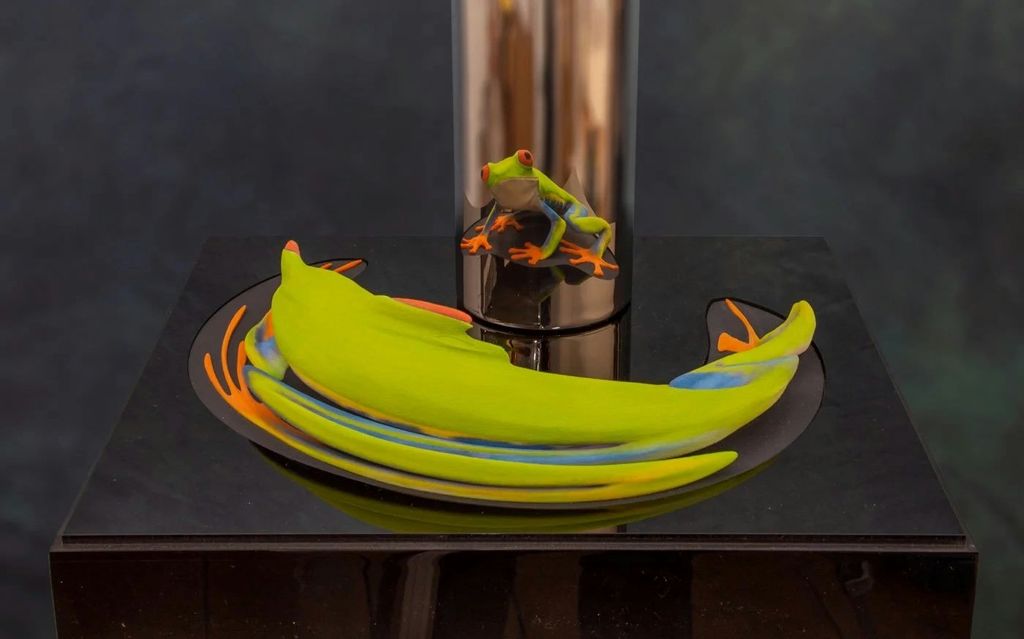

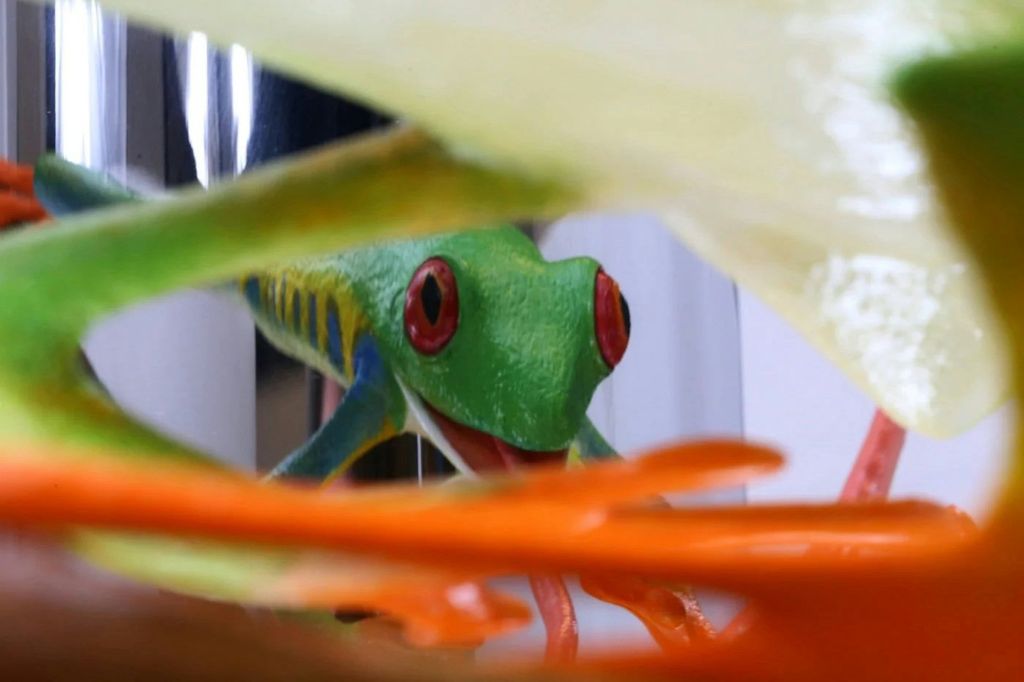
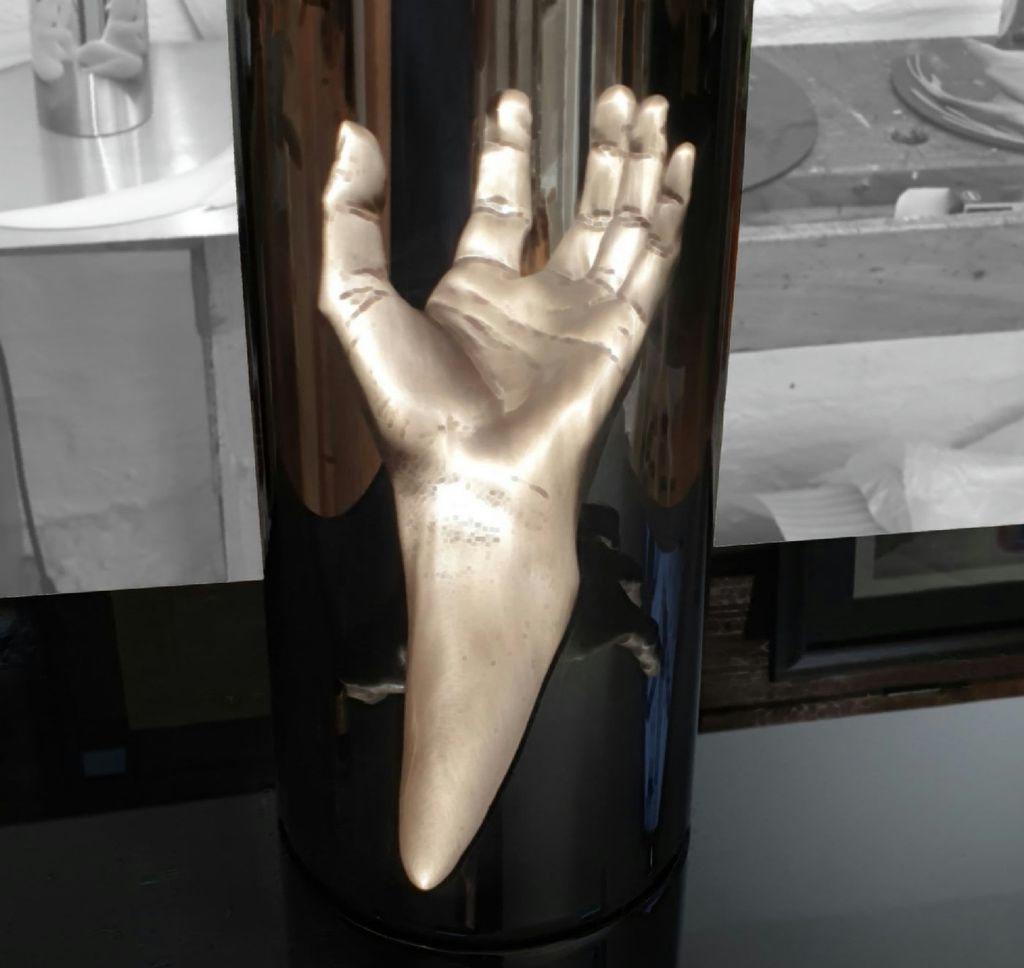
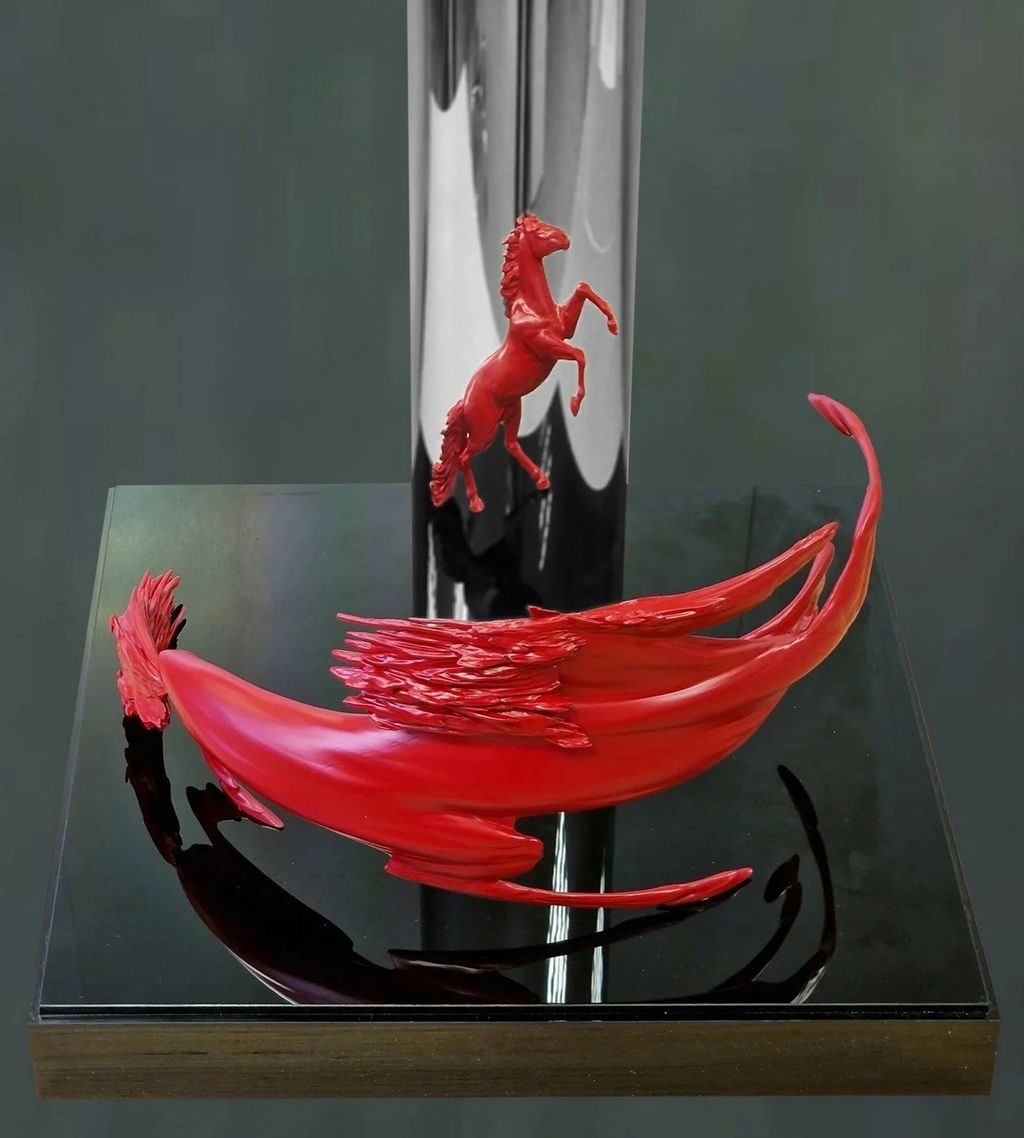

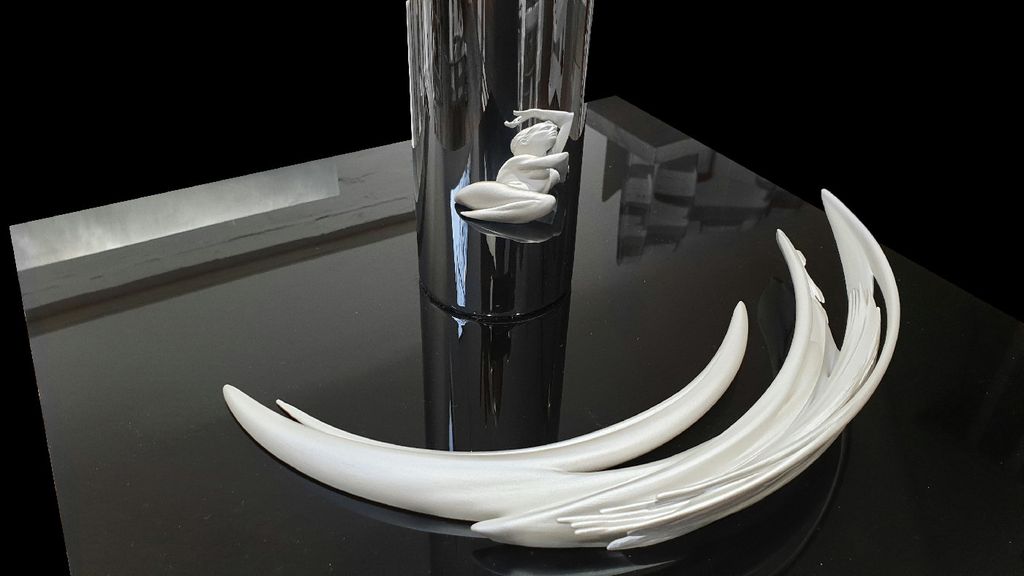
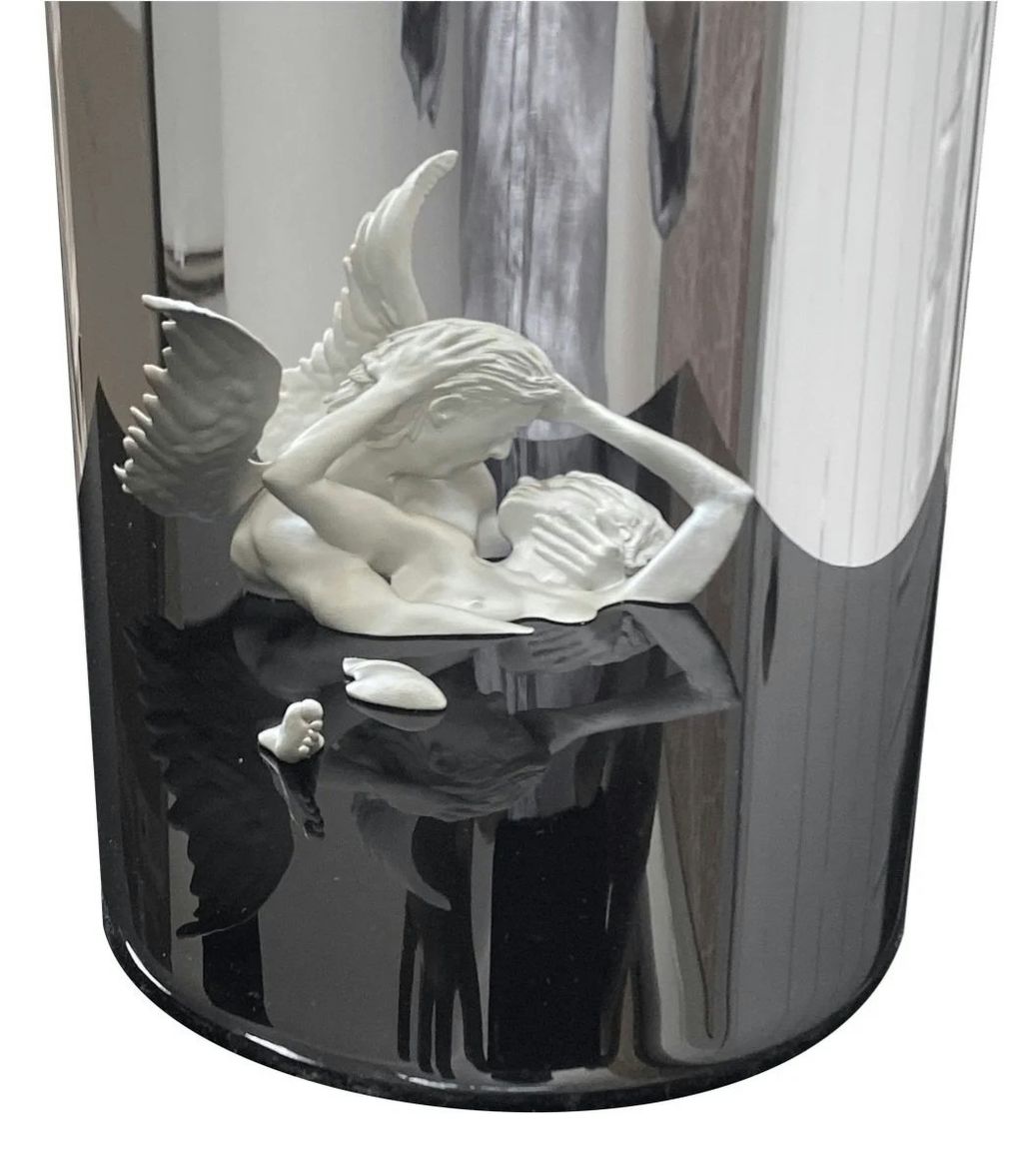

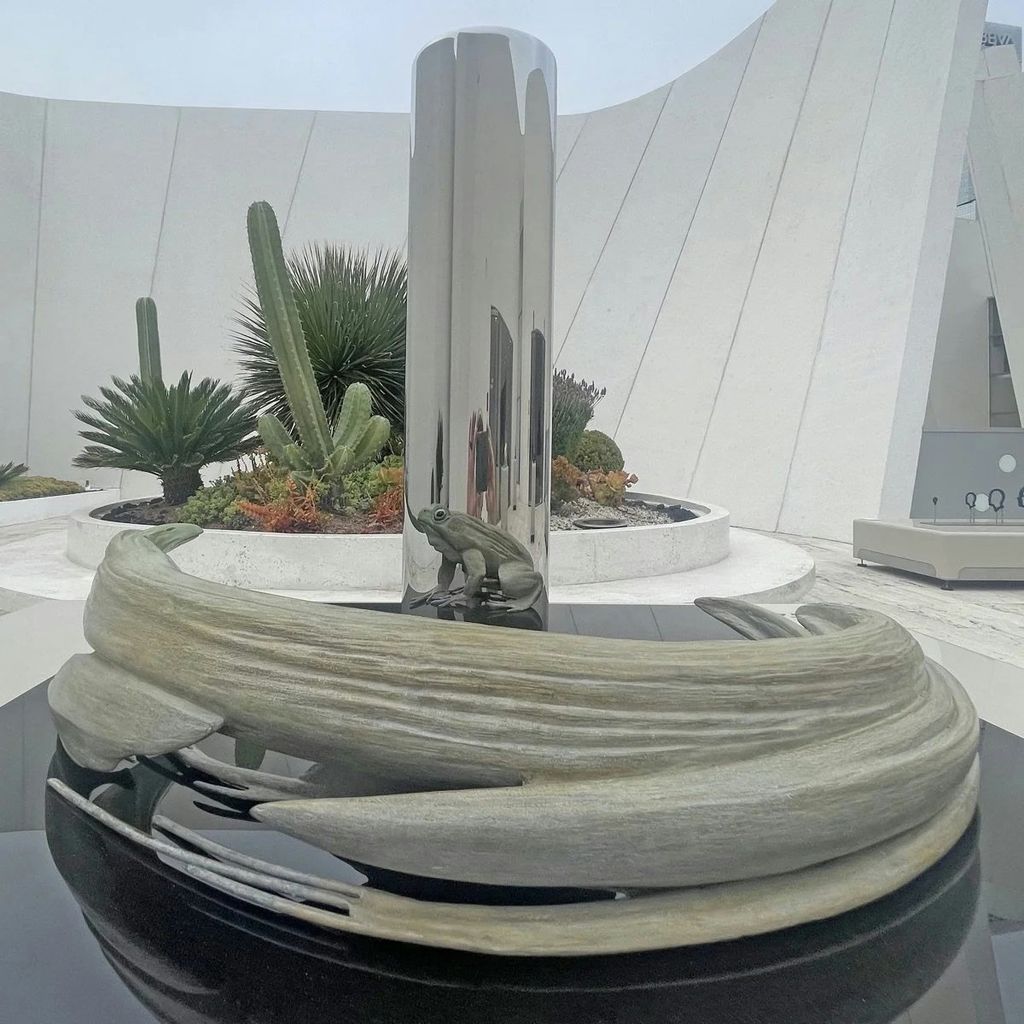

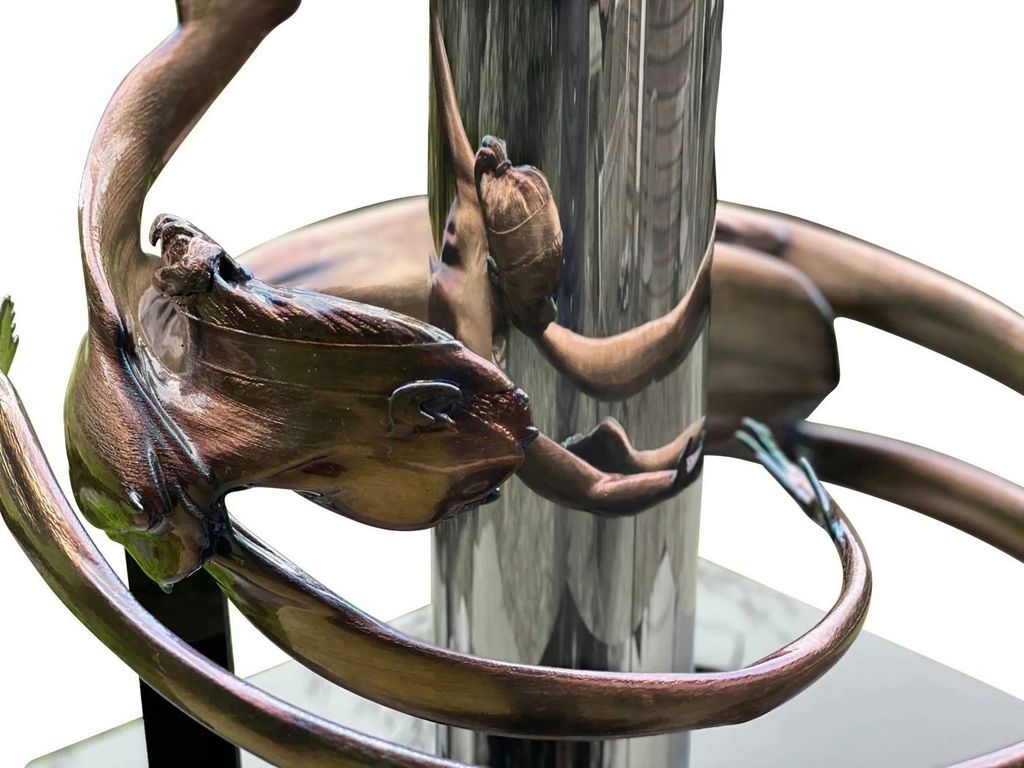
Anamorphic sculptures embody a fascinating intersection of optics, geometry, and computation. At first glance these artworks appear as twisted, abstract shapes — but when viewed through a polished cylindrical mirror, a hidden image magically resolves into a coherent, realistic form. This effect is not magic, but the result of precise optical geometry and the physics of light reflection. In cylindrical anamorphosis, light from the distorted sculpture reflects off the curved mirror and is redirected to the observer’s eye, reconstructing the intended shape from the warped form by the fundamental law that the angle of incidence equals the angle of reflection (as with all mirror images).  Behind these mesmerizing illusions lies a deep partnership between mathematics and material form. Hurwitz begins with a 3D scan of a subject and then applies complex algorithms — many of which are derived from the irrational mathematical constant π (pi) — to warp the sculpture into its anamorphic form. Each work involves billions of calculations that encode the geometry of circles and curvature into the sculpture itself. Because π governs the ratios of circles and spheres, it plays a central role in determining how light will bend and reflect in precise, predictable ways. This gives the artwork a hidden structure rooted in one of mathematics’ most celebrated constants — the same number we all first learn about in school. But here, π isn’t just a formula; it becomes a tangible experience of proportion and curvature, helping viewers feel the nature of circular geometry in a direct and instinctive way as the distorted shapes snap into recognition.  Hurwitz’s process blends scientific computation with artistic expression, building on optical principles known since the Renaissance but now realized through digital design and modern fabrication. These works invite us not only to see differently, but to experience the beauty of mathematics and physics firsthand — where a familiar constant like π reveals itself in surprising and instinctive ways.