Conical Anamorphosis — Artworks by sentient.art
Conical Anamorphosis
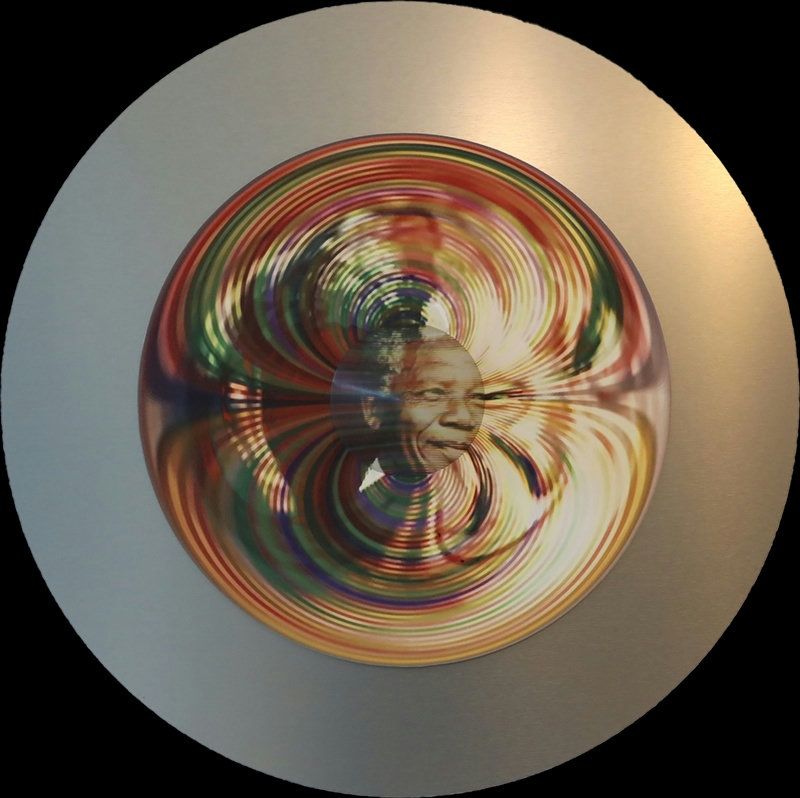
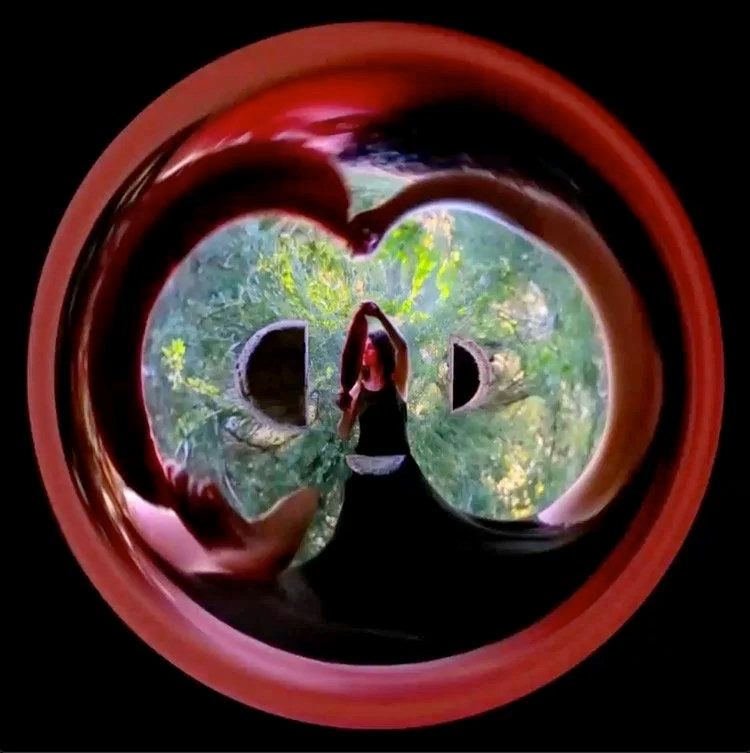
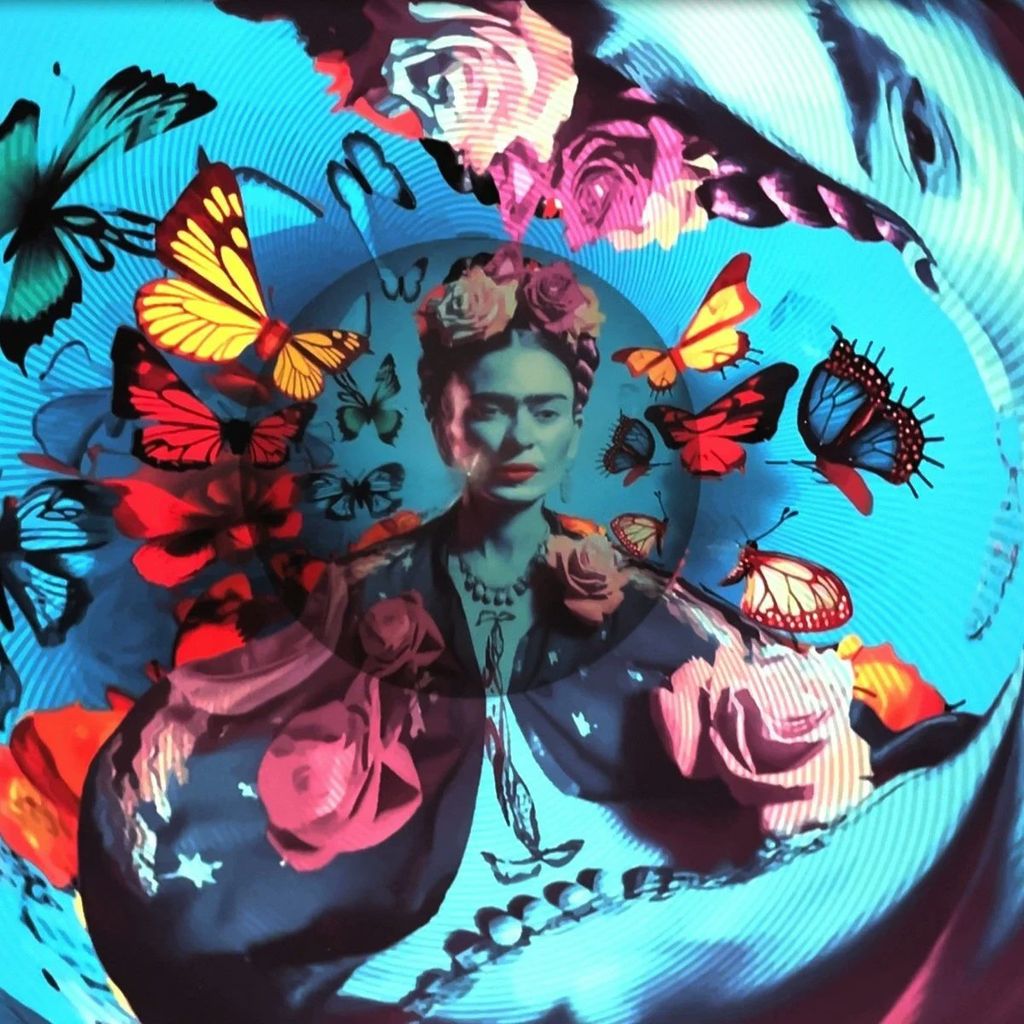
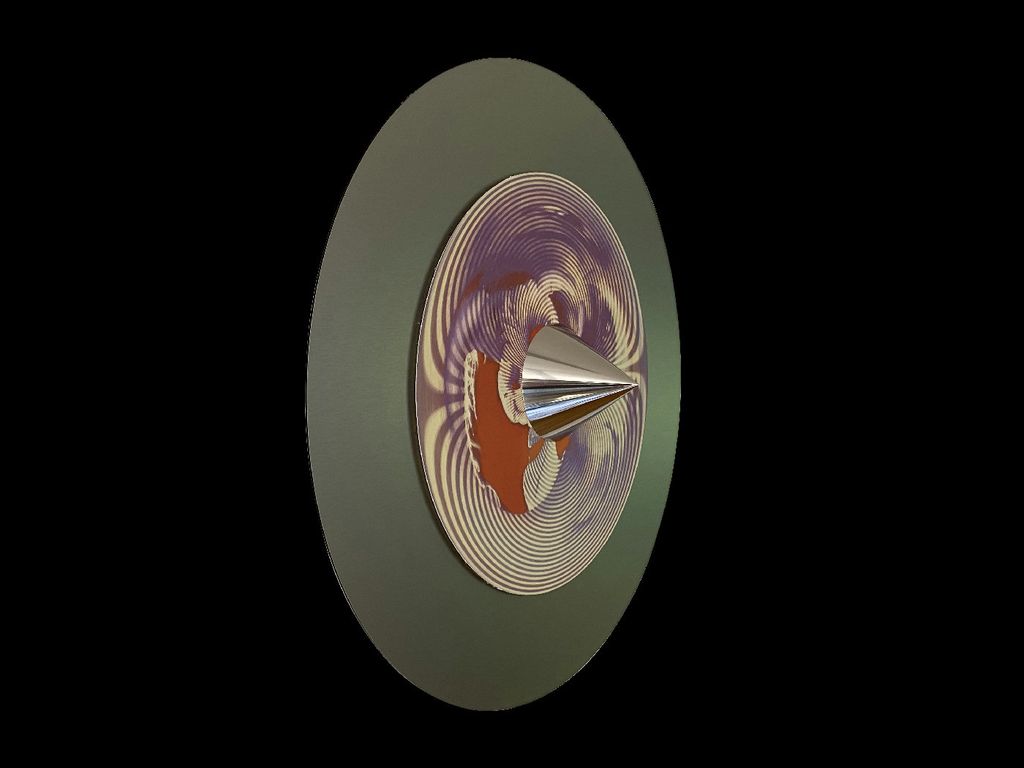
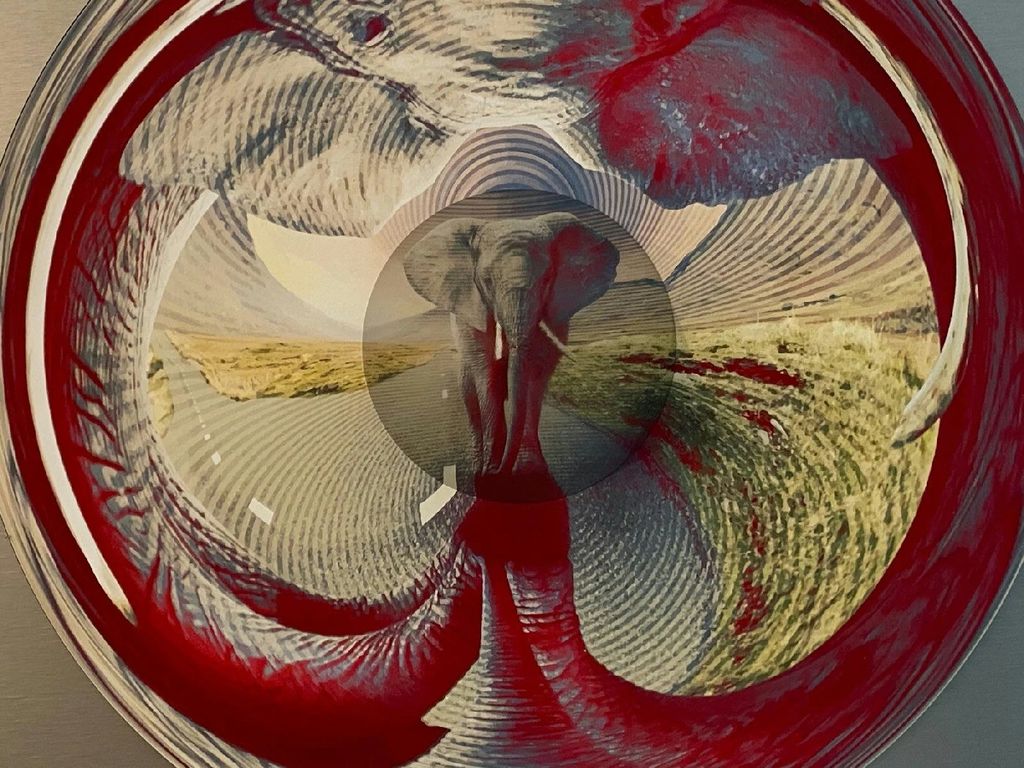
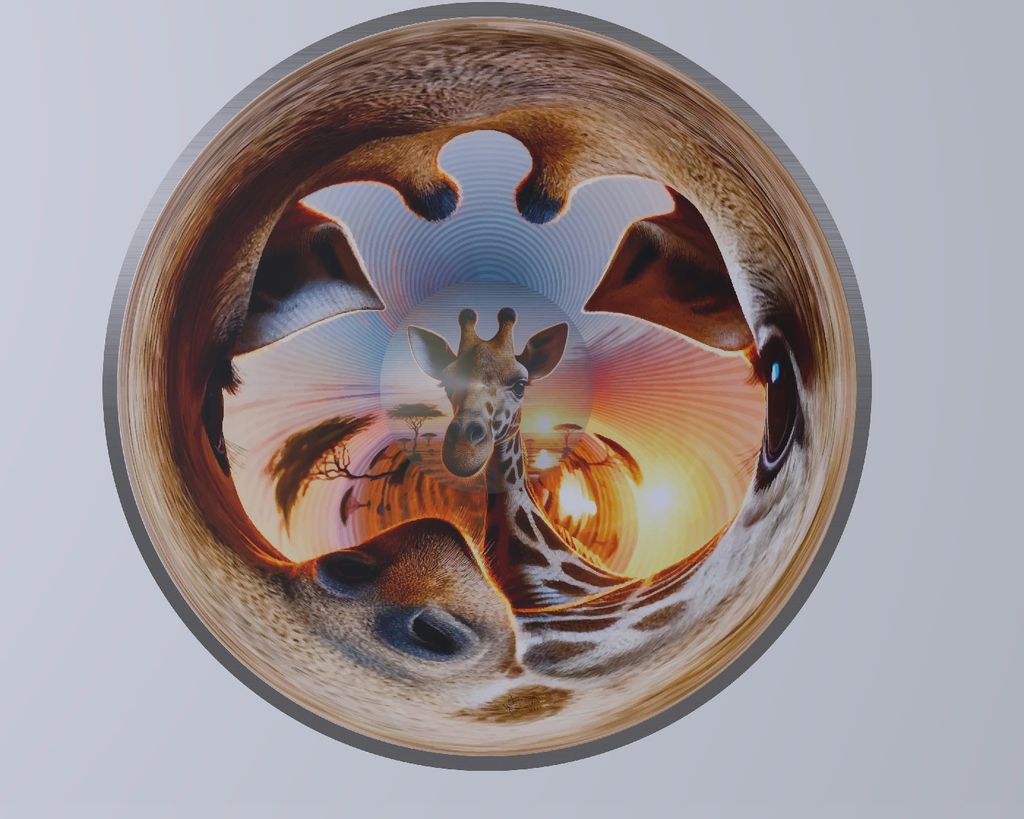
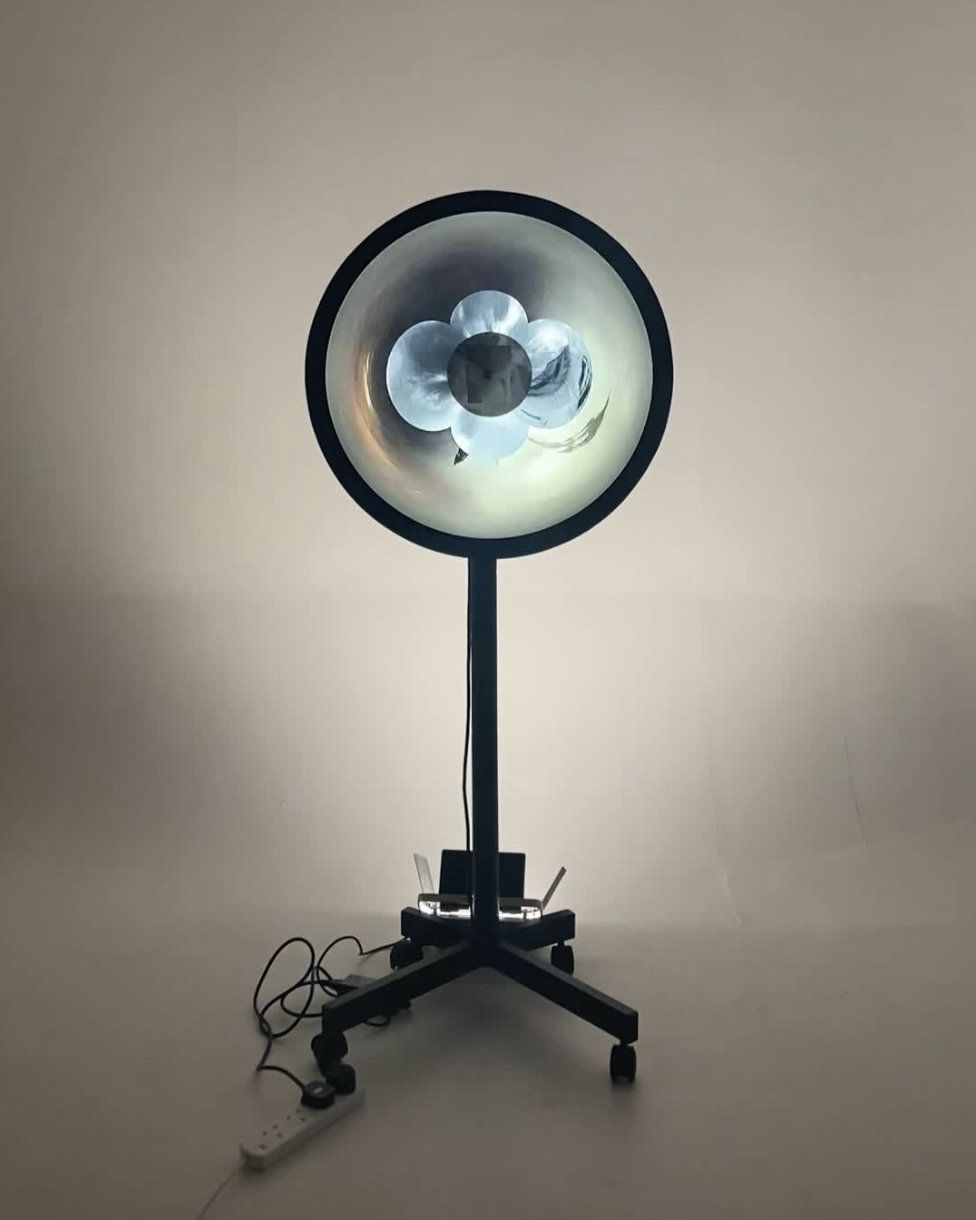
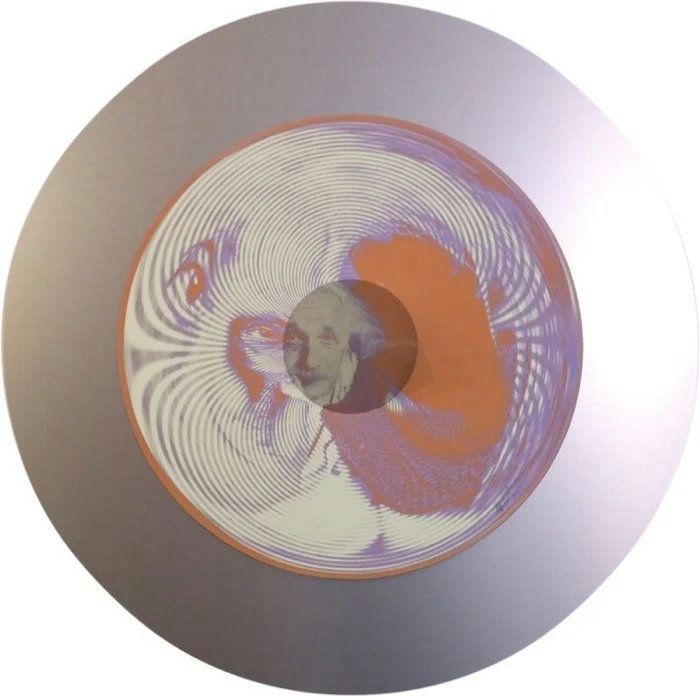
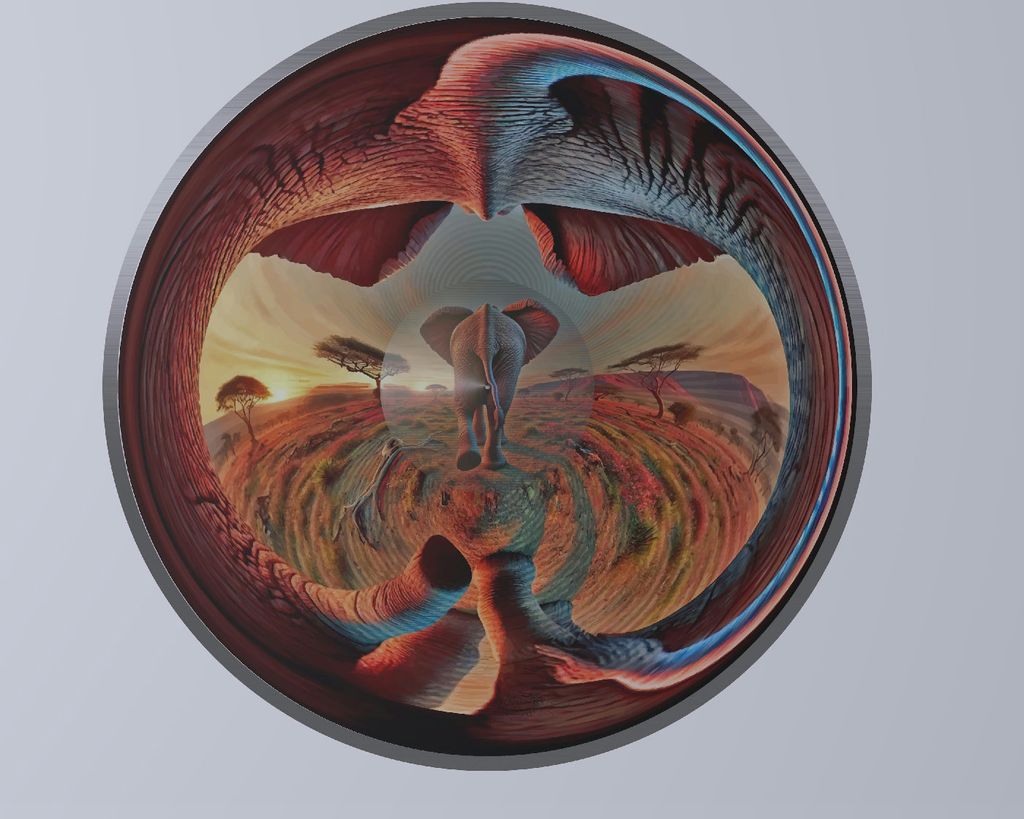
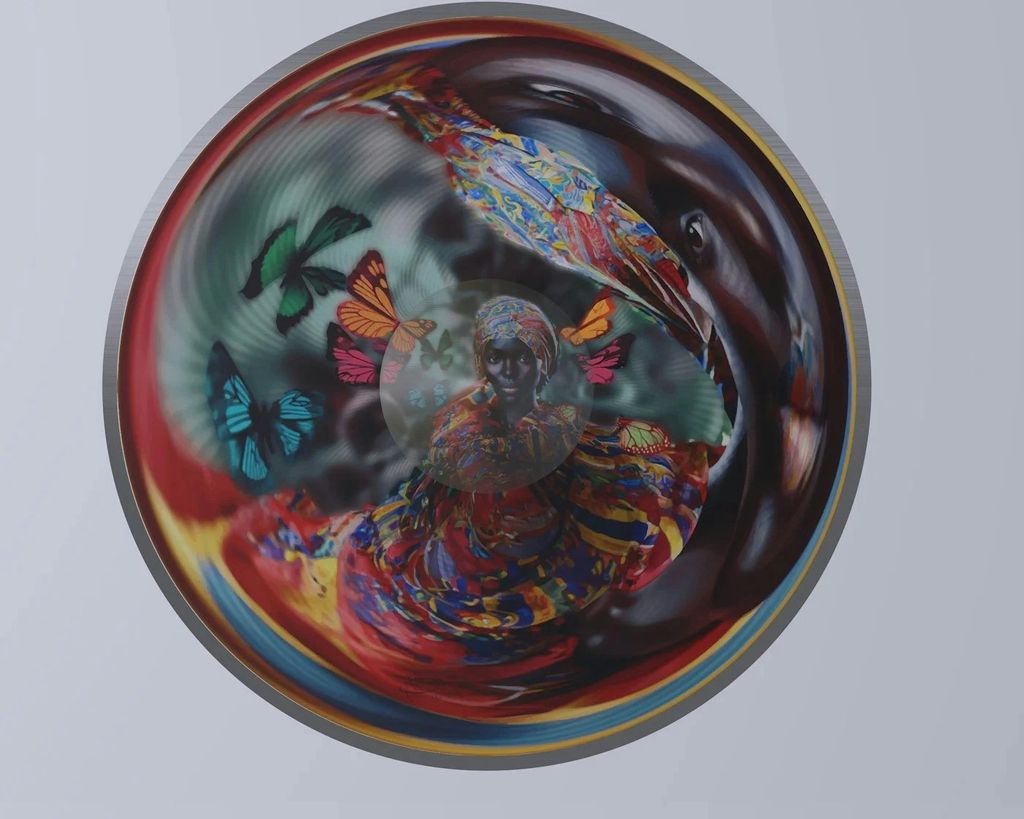
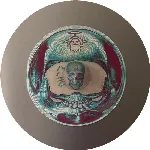
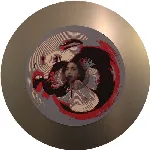
18WorksThe Science of Conical Anamorphosis — Precision at the Point of Illusion Conical anamorphosis is a spectacular form of mirror-based optical illusion in which a highly distorted artwork on a surface is transformed into a coherent image when seen in the reflection of a conical mirror. Like cylindrical mirror anamorphosis, this is a type of catoptric anamorphosis — where the hidden image is reconstructed through the reflection of light from a curved surface rather than by looking at it directly. The conical mirror effectively inverts the image: what lies near the center of the original artwork often becomes stretched to the mirror’s outer edge, and vice versa, creating a scrambled pattern that only resolves into meaning through reflection.  A cone’s geometry makes conical anamorphosis especially intricate. Because the reflective surface tapers toward a single tip, a significant proportion of the visual information — particularly the central features of the hidden image — is captured and directed upward from this tiny point. Every ray of light hitting the surface must obey the law of reflection, and because the cone’s surface is angled continuously from base to tip, the light paths that form the visible image are non-intuitive and highly sensitive to surface shape. In fact, the true virtual image formed by a conical mirror lies on a complex three-dimensional surface that depends on the cone’s exact shape and the viewer’s position — a relationship more elaborate than simple planar optics would suggest.  For artists like Jonty Hurwitz and collaborators working with conical anamorphosis, this science presents both a challenge and a creative opportunity. Fabricating a conical mirror with the micron-level precision required for accurate anamorphic reflection is enormously difficult. The cone must be machined to exact geometric tolerances, and then polished to a flawlessly smooth finish so that every point on the surface reflects light uniformly. Any imperfection — especially near the tip — introduces distortions because the cone’s smallest, most critical region handles a disproportionate fraction of the image’s information. The mirror’s tip, although physically tiny, plays an outsized role in forming the reflected image; its surface quality directly affects the clarity and fidelity of the anamorphic effect. This precision work builds on centuries of scientific and artistic inquiry into anamorphosis, extending ideas first explored during the Renaissance — where artists and mathematicians such as Jean-François Niceron studied distorted perspective and curved surface optics — into a contemporary practice that intersects computational design, materials science, and optical physics. Conical anamorphosis thus reveals not just a hidden picture, but the complex dance between light, geometry, and human perception — showing how careful control of shape and reflection can transform distortion into a stunning visual truth.